On 7th February 2026, a powerful step toward future-ready learning was taken at Bharat English School and Junior College, Pune, as the STEM Club Lab was officially inaugurated. Supported by NTT Data and implemented by India STEM Foundation, the launch marked the beginning of an inspiring journey where young minds will experiment, innovate, and build solutions for the world around them.
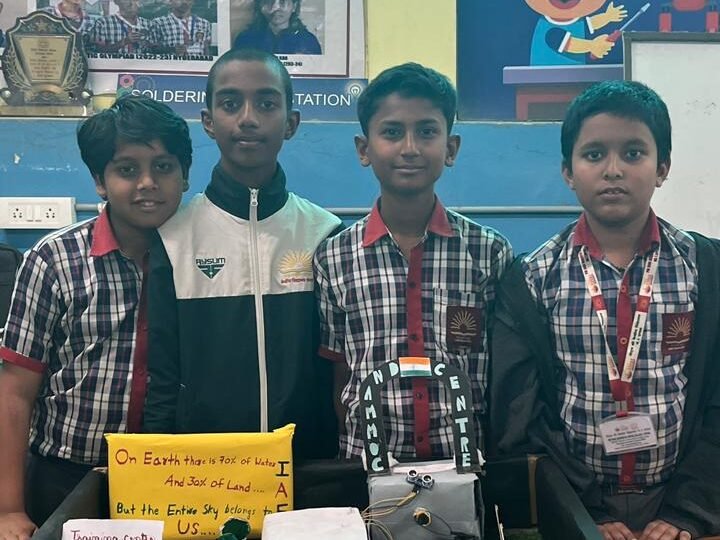
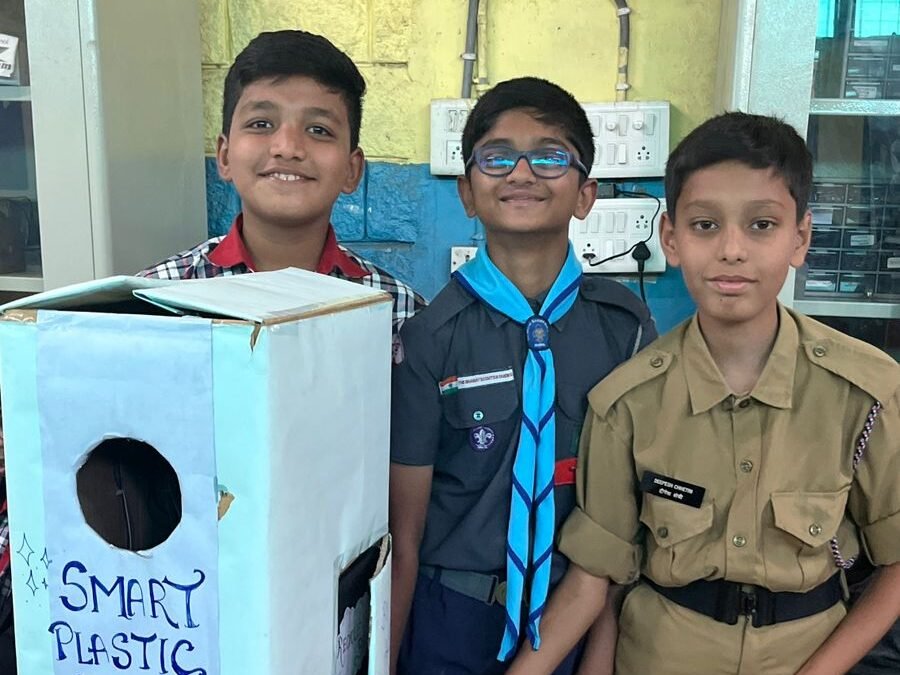
The atmosphere at Bharat English School and Junior College was filled with excitement as school leaders, guests, and volunteers gathered to witness the unveiling of a space designed to transform curiosity into capability. The inauguration ceremony symbolized more than the opening of a lab it represented access, opportunity, and the promise of experiential learning.
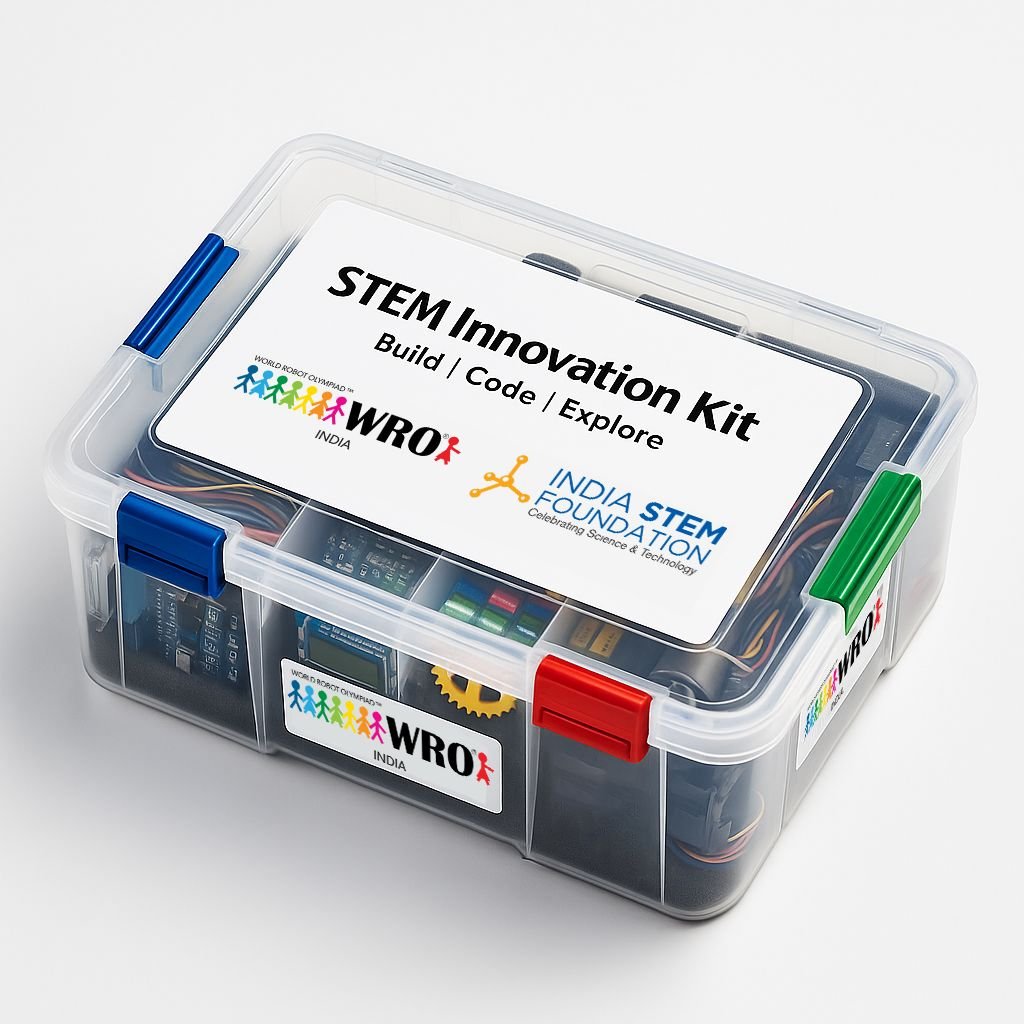
Located in the dynamic city of Pune, known for its strong educational ecosystem, the STEM Club Lab now stands as a hub where innovation will be nurtured consistently. Equipped with sensors, microcontrollers, electronic components, wiring kits, and hands-on tools, the lab is built to encourage students to move beyond theory and into action.
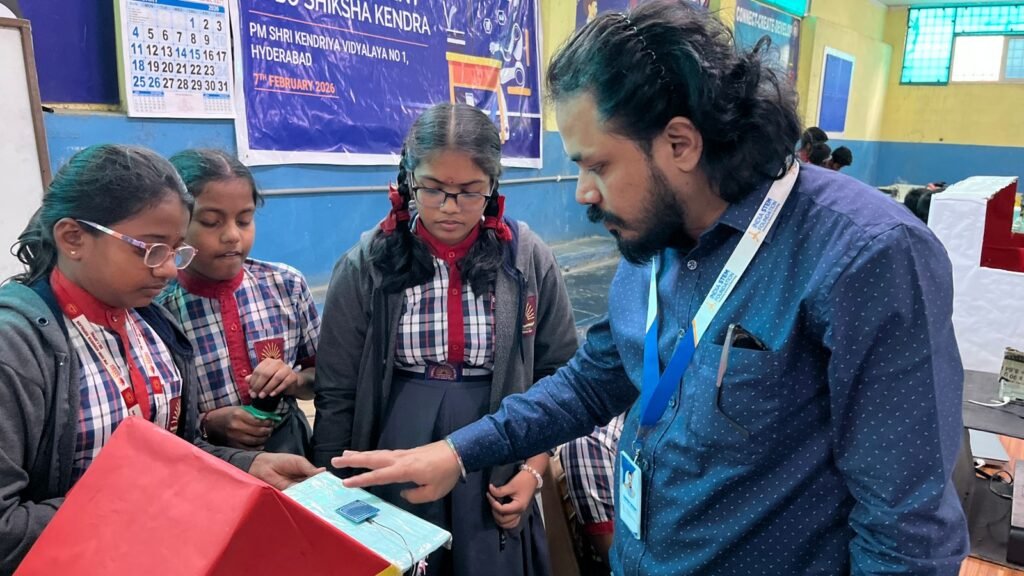
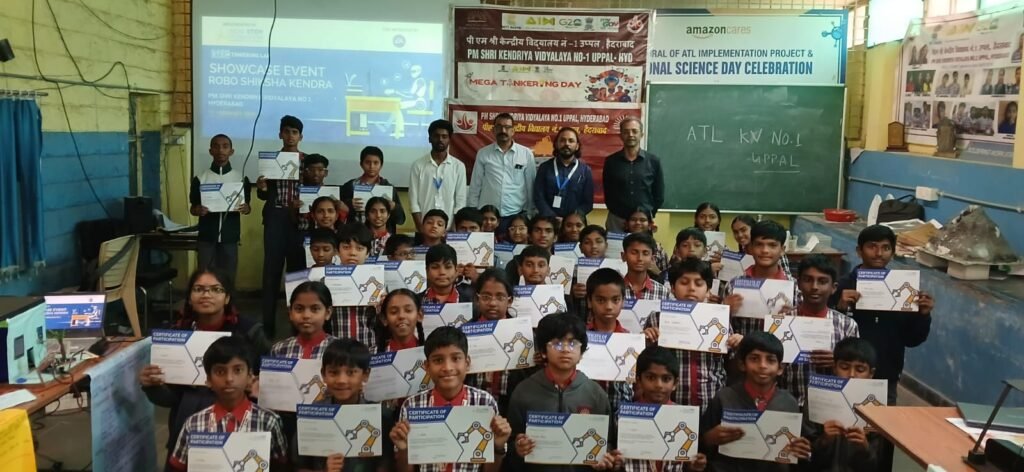
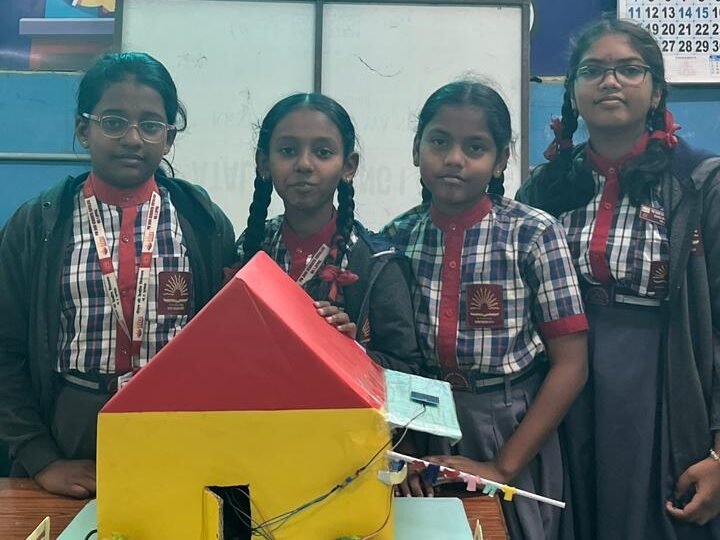
What made the day even more impactful was the enthusiastic participation of nine employees from NTT Data, who volunteered their time and expertise to engage directly with the students. Their presence brought energy, mentorship, and real-world perspective into the classroom environment. Rather than simply observing, the volunteers rolled up their sleeves and became active collaborators in the learning process.
The highlight of the volunteering program was a hands-on STEM activity centered around building an Automated Night Lamp. The project was thoughtfully chosen—it introduced students to sensors and basic electronics while demonstrating a practical, real-world application of automation. The session began with a simple explanation of how light-dependent sensors work and how circuits can be designed to respond to environmental changes.
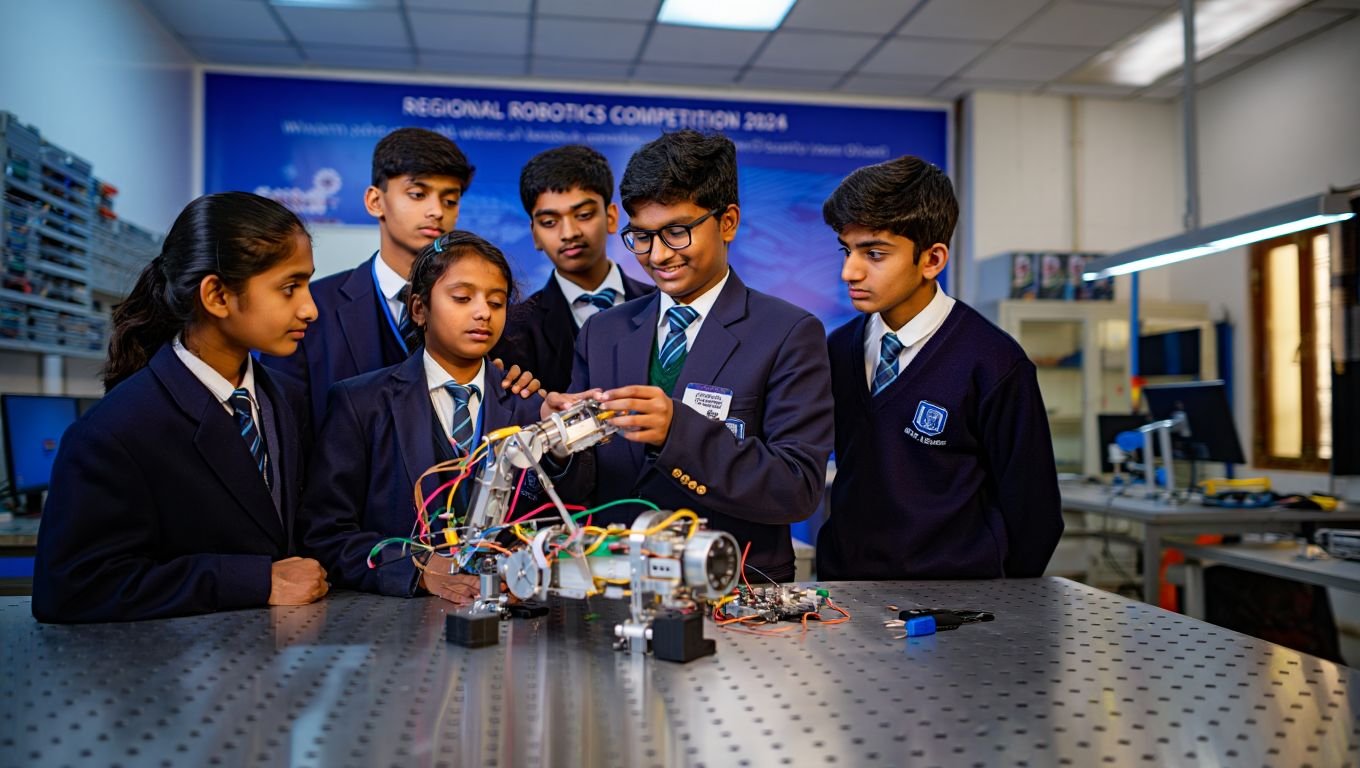
Students worked in teams alongside the volunteers, carefully assembling components, connecting circuits, and understanding the logic behind the system. As they wired the sensors and positioned the LEDs, discussions filled the room about voltage, resistance, sensor sensitivity, and how automation simplifies everyday life.
The moment of truth arrived when the lamps were tested. As the surrounding light was reduced and the lamps switched on automatically, smiles spread across the room. It was a small but powerful success. For many students, it was their first experience building a functioning electronic system from scratch. For the volunteers, it was deeply rewarding to witness the spark of realization in young learners’ eyes.
Beyond the technical aspects, the activity sparked something even more meaningful confidence. Students asked thoughtful questions, suggested improvements, and even explored how the concept could be expanded for larger applications. Some discussed how similar systems are used in street lighting and home automation. The session organically bridged classroom concepts with real-world technology, reinforcing the relevance of STEM education.
The volunteers played a crucial role in encouraging this exploration. They shared insights from their professional experiences, discussed how problem-solving works in real tech environments, and motivated students to think ambitiously about their future careers. The interaction felt dynamic and collaborative, turning the lab into a space of dialogue rather than instruction.
The impact of the session extended beyond the activity itself. It boosted students’ curiosity, strengthened their creative thinking, and deepened their understanding of how technology can address everyday challenges. The Automated Night Lamp project became more than a learning exercise it became a stepping stone toward larger innovations waiting to unfold.
As the day concluded, reflections from both the school and the volunteers highlighted the success of the initiative. The inauguration of the STEM Club Lab, combined with the active engagement of NTT Data employees, underscored the value of industry-academic collaboration. It demonstrated how meaningful change happens when organizations invest not only in infrastructure but also in mentorship and hands-on engagement.
The STEM Club Lab at Bharat English School and Junior College now stands ready to shape countless projects, experiments, and ideas. Each sensor connected and each circuit built in the future will echo the excitement of this inaugural day. With continued support and collaboration, the lab will serve as a launchpad for young innovators eager to solve tomorrow’s challenges.
On 7th February 2026, a room was inaugurated but more importantly, potential was activated.