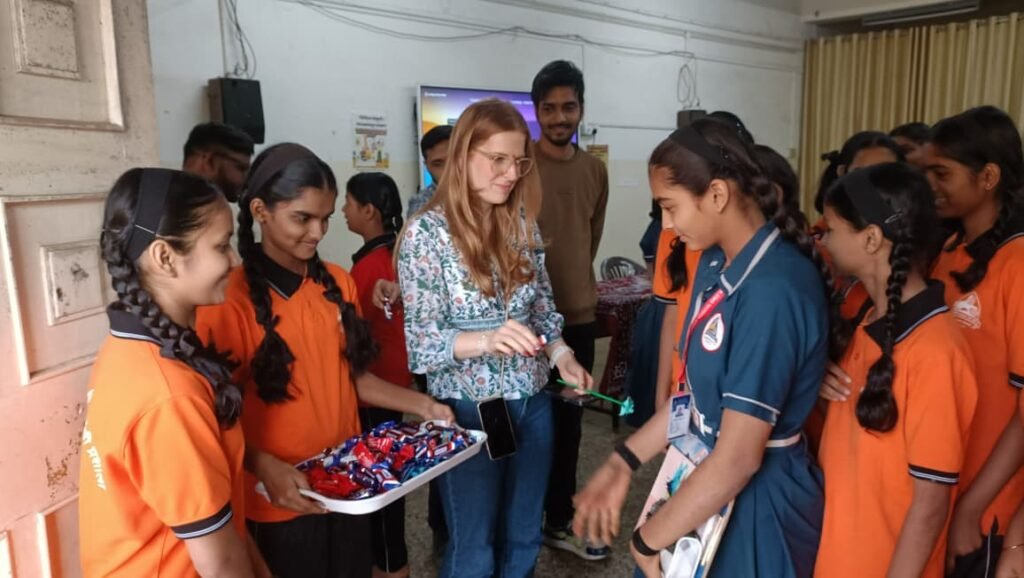
On 11th February 2026, the classrooms of Renuka Swarup Memorial Girls High School transformed into a hub of digital awareness and empowerment as a dynamic team from Amadeus conducted an engaging cybersecurity training program for the students of Grades 8 and 9. The session was more than a workshop – it was a powerful step toward equipping young learners with the knowledge and confidence to navigate today’s fast-evolving digital world safely and responsibly.
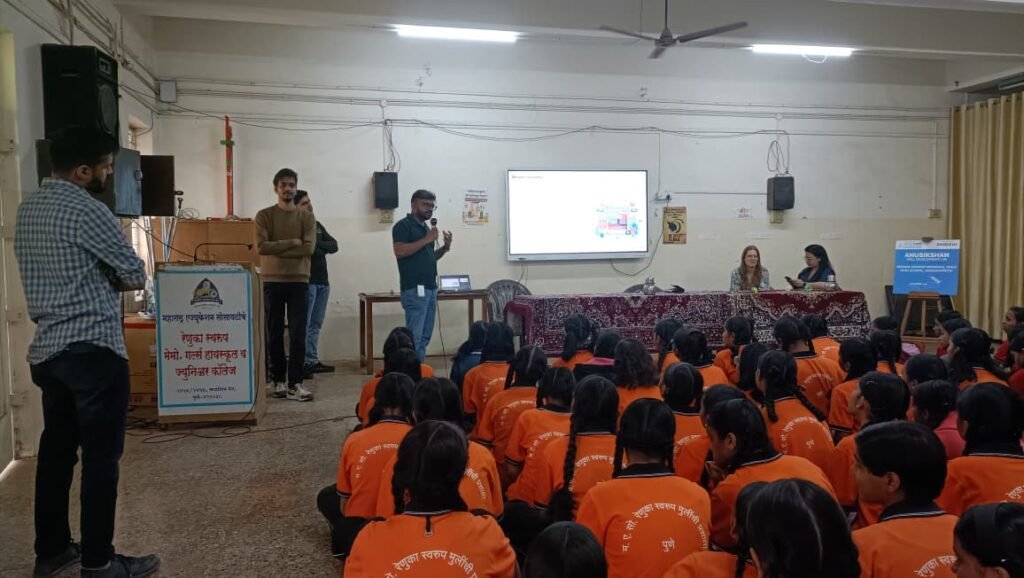

The training was led by an accomplished panel of cybersecurity professionals: Audrey Chartrel, Security Manager; Sakshi Sharma, Security Engineer; Manish Patil, Security Engineer; Sourav Singh, Security Engineer; Manoj Jawale, Security Manager; Danish Inamdar, Security Engineer; and Irfan Shajahan, Security Engineer. Together, they brought deep expertise, real-world experience, and an infectious enthusiasm into the classroom.
From the very beginning, the energy in the room was palpable. The team understood that cybersecurity can often sound complex or intimidating, especially to young students. Instead of overwhelming them with jargon, they broke down concepts into relatable, everyday examples. Through interactive discussions, live demonstrations, and real-life scenarios, they helped students understand how the digital world operates—and how they can protect themselves within it.
The session began with a simple but powerful question: “How much of your life is online?” As students reflected on social media, online classes, gaming platforms, messaging apps, and digital payments, the realization set in—being online is no longer optional; it is an integral part of daily life. This realization became the foundation for understanding why cybersecurity matters.
The team explained key concepts such as strong passwords, phishing attacks, safe browsing practices, data privacy, and recognizing suspicious links. Rather than presenting these topics as abstract risks, they connected them directly to situations students might encounter—receiving unknown friend requests, clicking on unfamiliar links, sharing personal information, or downloading apps without verification.
One of the most engaging segments involved identifying fake versus genuine messages. Students eagerly participated, analyzing sample screenshots and debating whether they were safe or suspicious. This hands-on approach encouraged critical thinking and made the learning experience memorable. Laughter, curiosity, and “aha” moments filled the room as myths were debunked and practical tips were shared.
The speakers also emphasized the importance of digital responsibility. Beyond protecting themselves, students were encouraged to be mindful digital citizens—respecting privacy, avoiding cyberbullying, and using technology ethically. The conversation extended beyond security tools to values such as empathy, awareness, and accountability in online interactions.
What stood out most was the interactive nature of the session. Students asked thoughtful questions: What happens when accounts get hacked? How do cybercriminals trick people? Can deleted information be recovered? The team patiently addressed each query, providing clear explanations and practical advice. Their approachable demeanor created a safe space where students felt comfortable sharing concerns and experiences.
The impact of the session went beyond information-sharing. It instilled confidence. Students began to see cybersecurity not as a distant, technical field, but as a skill set they could understand and apply immediately. They learned that staying safe online is not about fear—it is about awareness and smart choices.
Teachers and school administrators appreciated the relevance of the program, recognizing that digital literacy is now as essential as academic subjects. In a world where students are exposed to technology from an early age, proactive education on cybersecurity is crucial. The initiative by Amadeus demonstrated how industry professionals can meaningfully contribute to shaping digitally responsible future generations.
By the end of the session, the room was buzzing with conversations about updating passwords, enabling two-factor authentication, and being more cautious about online interactions. What began as a training program concluded as a movement toward safer digital habits.
The cybersecurity session at Renuka Swarup Memorial Girls High School was a reminder that empowerment in the digital age begins with awareness. With guidance from experienced professionals and the right learning environment, students can confidently step into the online world—not as vulnerable users, but as informed and responsible digital citizens.