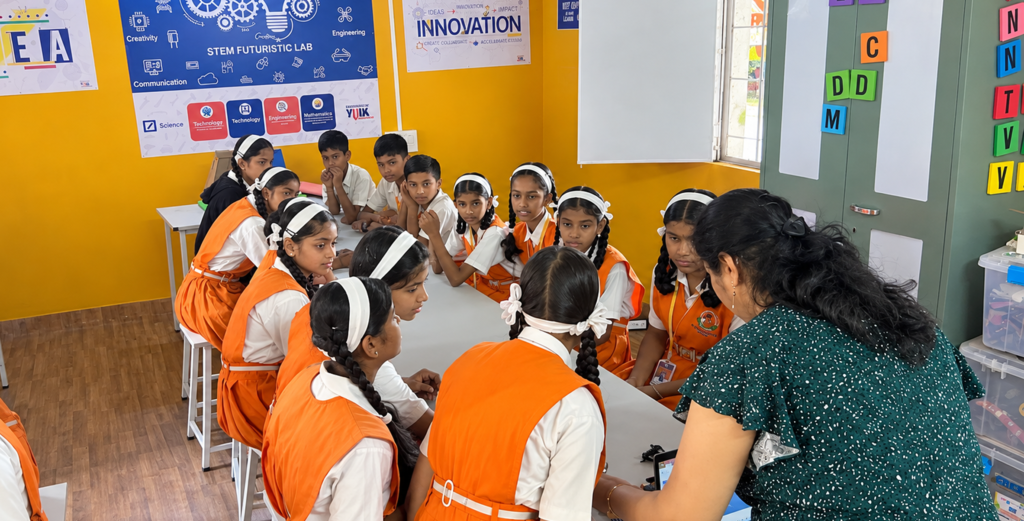
On 12 October 2026, a volunteering session in Pune, Maharashtra, turned a simple LED into an opportunity to explore how electronic circuits work. Ms. Pallavi Mehta from Johnson & Johnson led students through a hands-on activity that introduced them to basic electronics and helped them see the results of their own efforts.
As students worked with circuit components and watched their LEDs light up, they could connect a practical outcome with the concepts behind it. The session encouraged them to explore, observe and understand how individual components work together to produce a result.
By bringing electronics into a hands-on learning environment, the activity made STEM concepts more accessible and gave students an opportunity to learn through direct experience.
Exploring Circuits Through Hands-On Learning
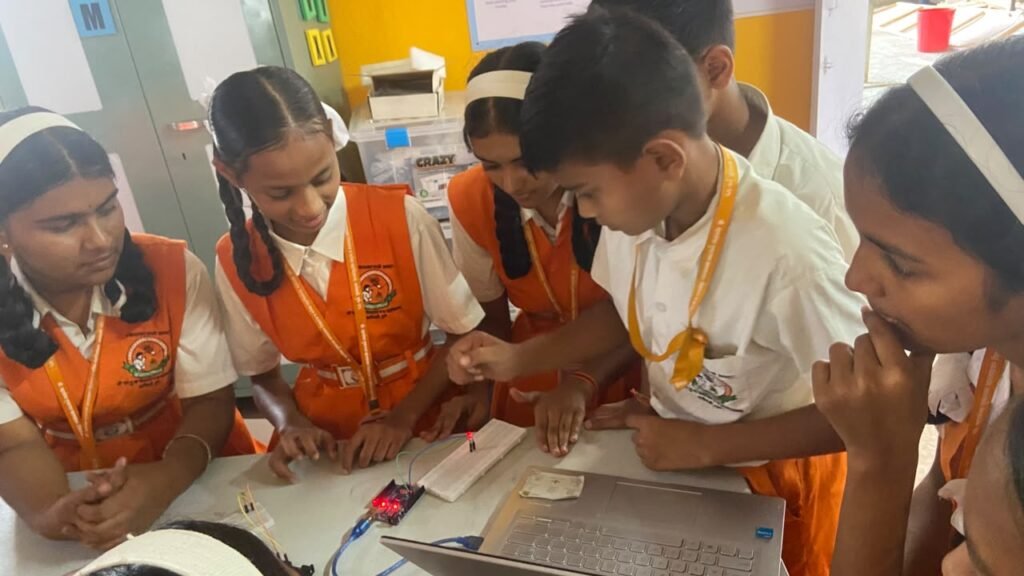
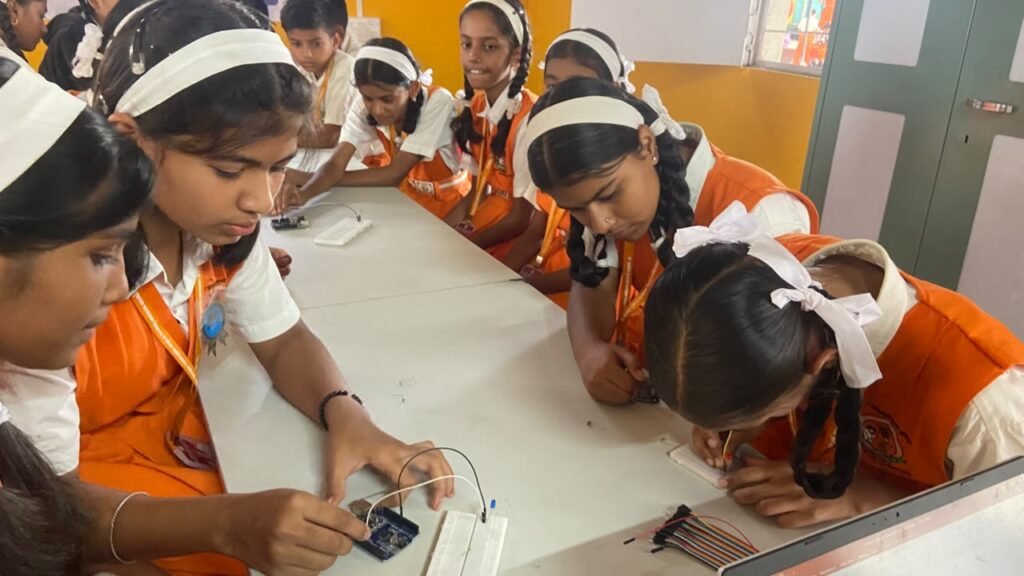
Building a basic electronic circuit allows students to engage with scientific concepts in a tangible way. Instead of learning about components only through explanations, they can observe how a circuit works and see the outcome of their efforts.
During the LED activity, students explored basic electronics through practical participation. The process also encouraged creative thinking and problem-solving as they engaged with the task and worked towards getting their circuits to light up.
These experiences are an important part of STEM education. Activities that involve building, testing and observing help students connect theoretical knowledge with practical applications. They also create opportunities to ask questions, explore possibilities and develop a more active approach to learning.
Corporate Volunteering Creates Practical STEM Opportunities
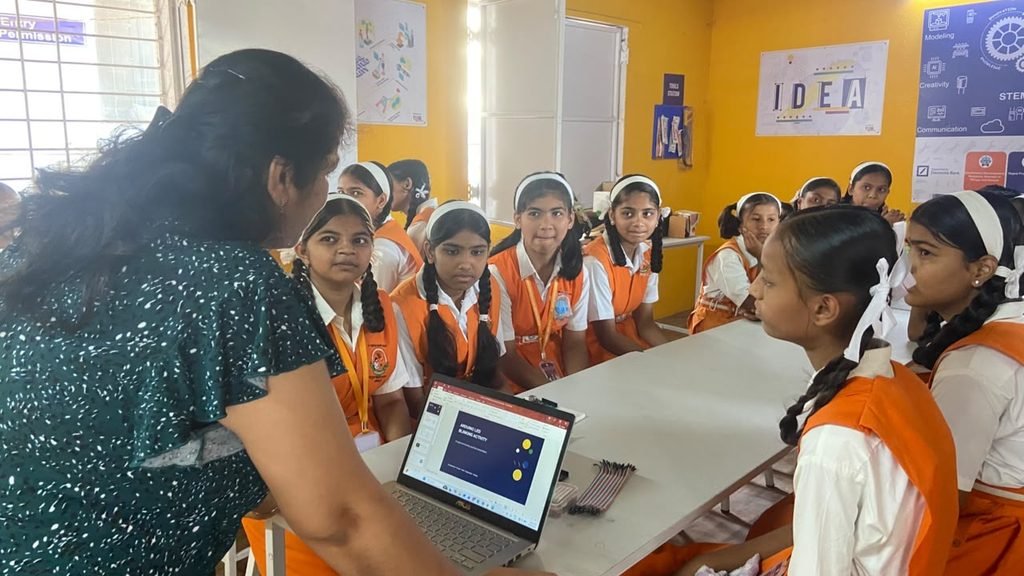
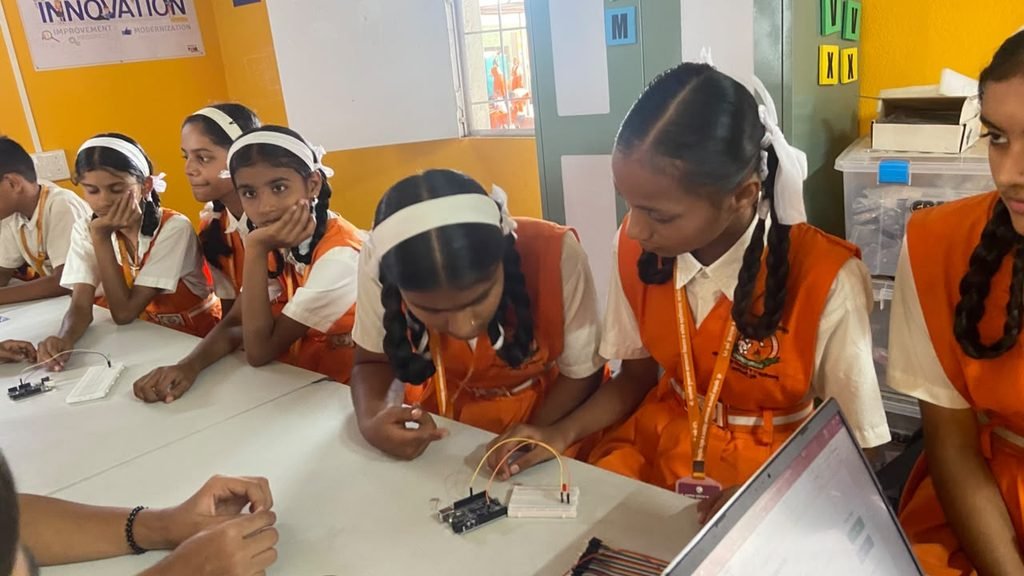
Corporate volunteering can bring professional participation into educational settings, creating opportunities for students to explore technology with guidance and practical support. Sessions led by corporate volunteers introduce learners to new concepts while encouraging them to participate, experiment and build confidence through doing.
Through volunteering initiatives with its CSR partners, India STEM Foundation (ISF) continues to create opportunities for students to engage with practical STEM activities. These sessions help connect classroom concepts with real-world applications through accessible, activity-based learning.
The Pune session demonstrated how a focused activity can introduce students to the fundamentals of electronics while encouraging creative thinking and problem-solving. By bringing volunteers and students together around practical STEM experiences, ISF continues to support learning that extends beyond textbooks.
Each hands-on activity creates another opportunity for students to explore how things work, develop their skills and discover the possibilities of science and technology.