Experiential learning is a method of learning through direct experience. Instead of simply reading about scientific principles or engineering concepts, students actively engage in building, testing, experimenting, presenting, and refining ideas. It is learning by doing and more importantly, learning by reflecting on what has been done.

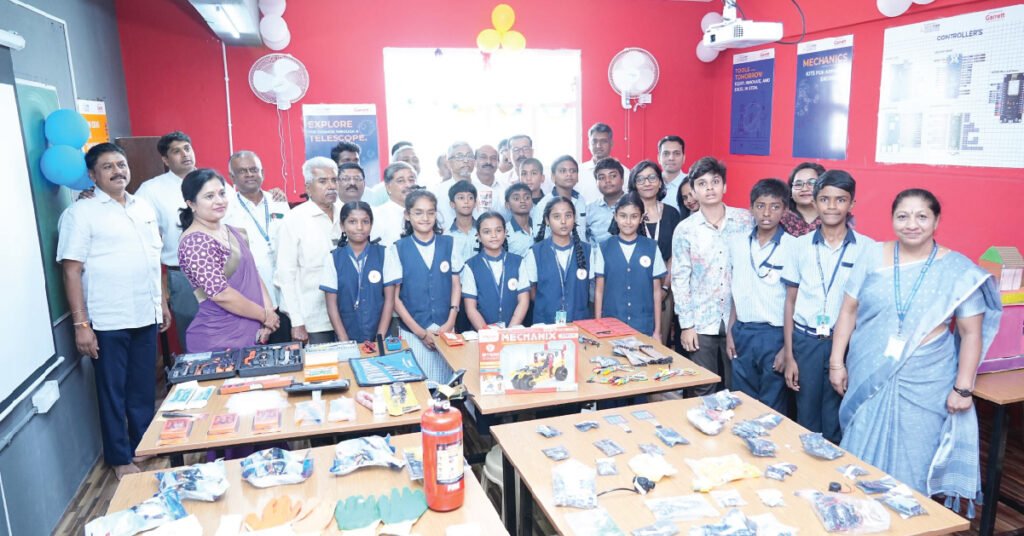
This is where the work of India STEM Foundation becomes especially significant. Through its structured innovation platforms such as Robo Siksha Kendras (RSK) and STEM Tinkering Labs, the foundation is bringing experiential learning directly into schools across India.
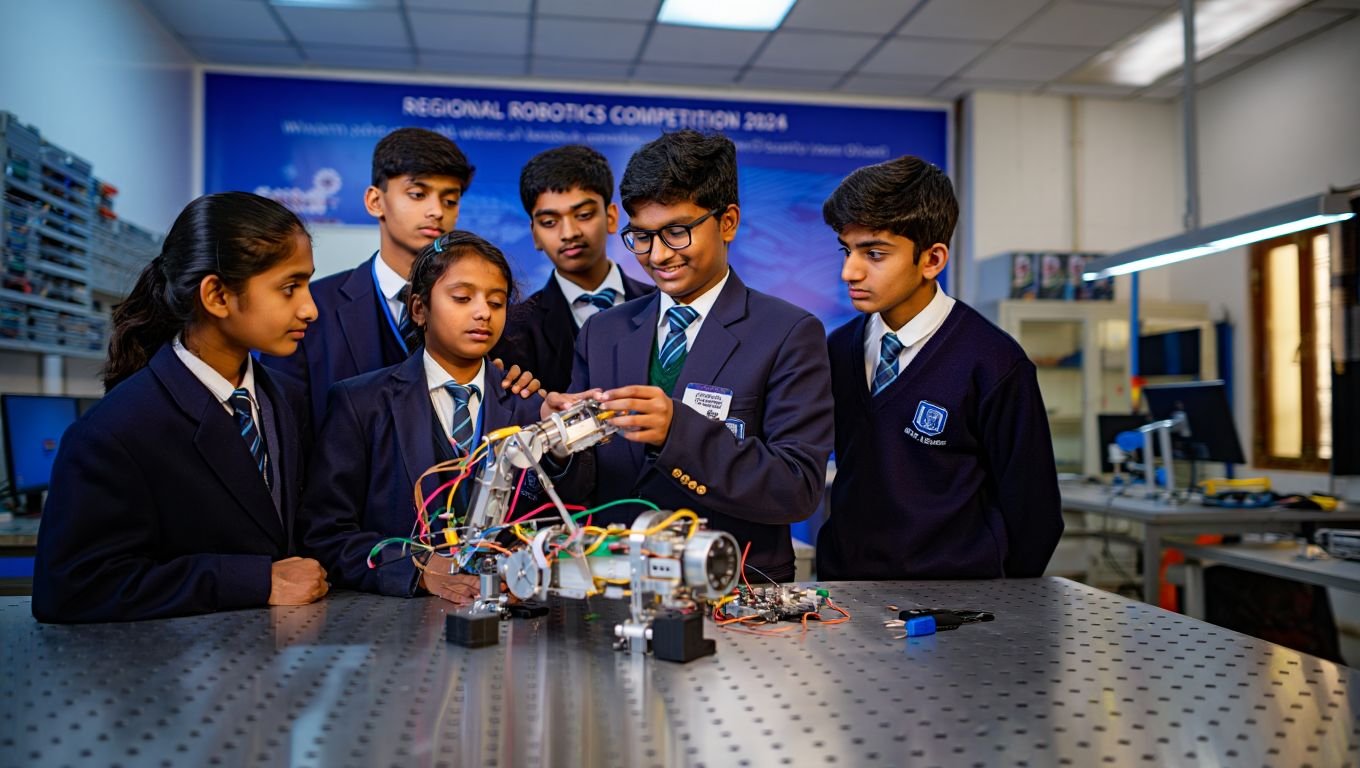
At the heart of experiential learning is application. When students build a robotic prototype, create an automation model, or design a sustainability solution, they are not just applying classroom knowledge, they are understanding it at a deeper level. Concepts from physics, mathematics, coding, and engineering come alive when students see them in action. Mistakes become learning opportunities. Failures become stepping stones. Iteration becomes a habit.
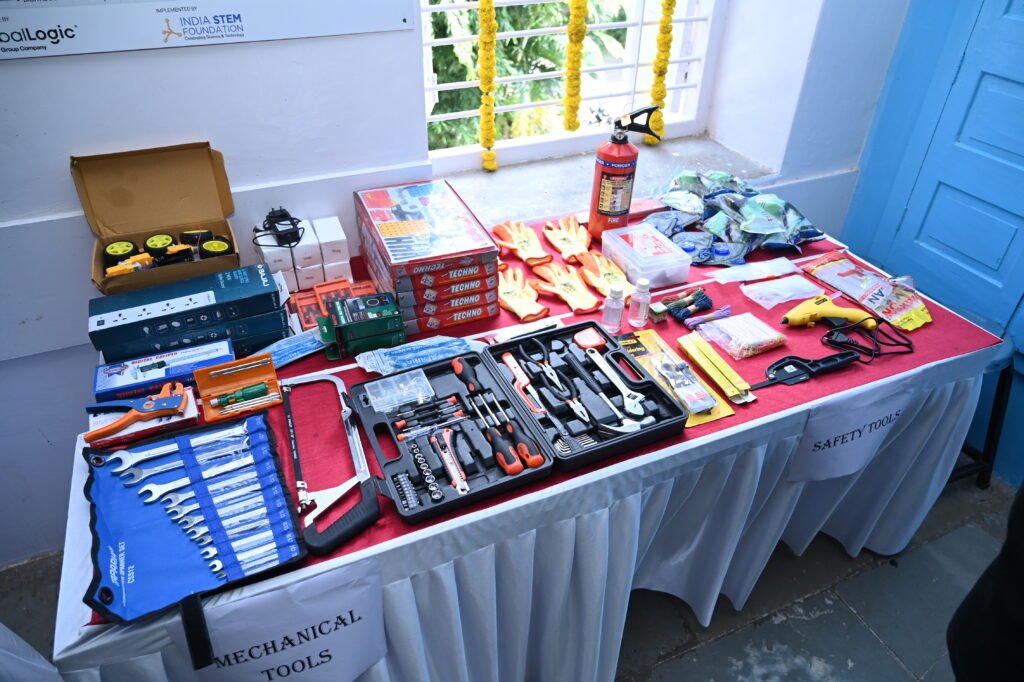
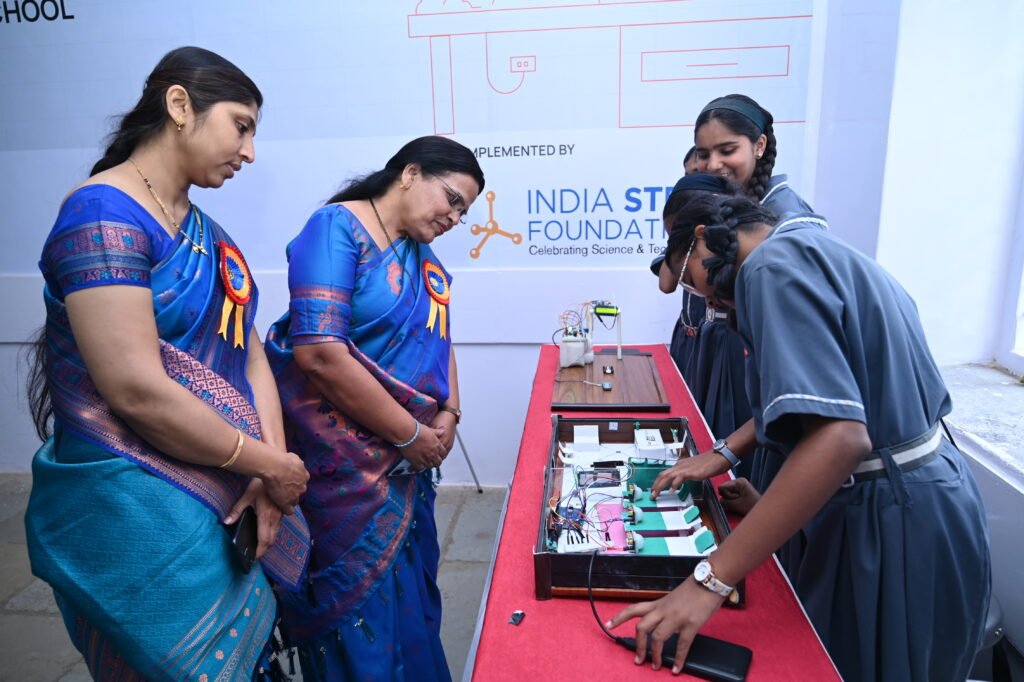
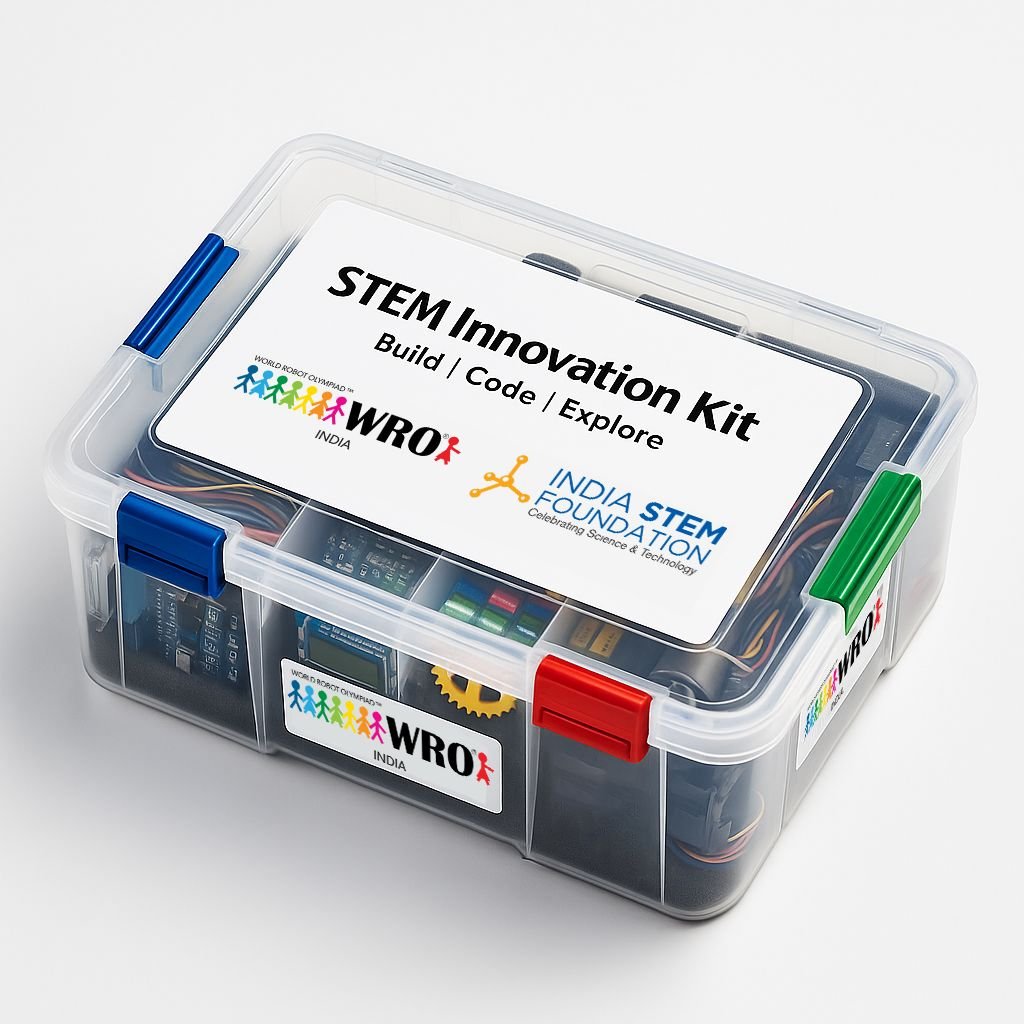
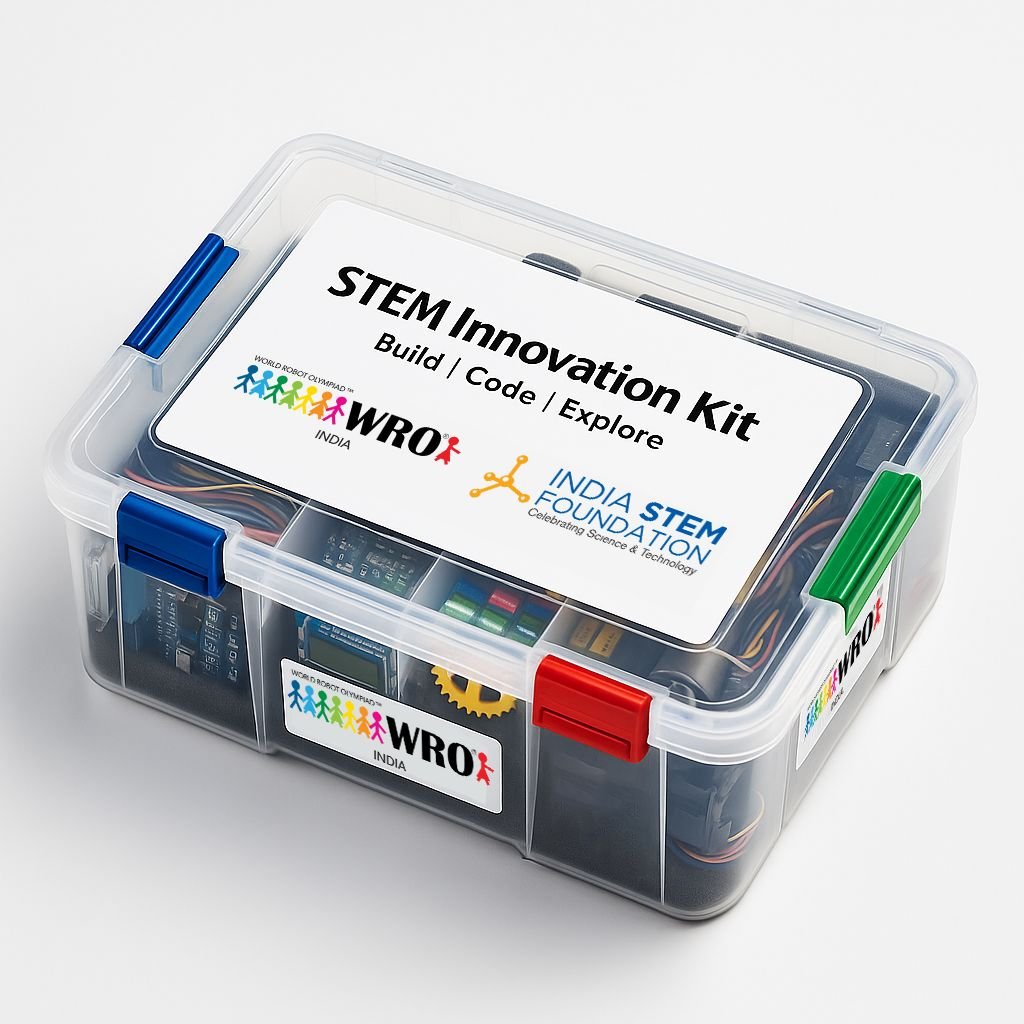
India STEM Foundation’s RSK labs are designed precisely around this philosophy. These labs provide structured access to robotics kits, hands-on tools, guided modules, and mentorship support. Instead of passively consuming information, students actively create. They learn to wire circuits, code logic, design mechanisms, and troubleshoot errors. Each project becomes a journey of experimentation and improvement.
What makes experiential learning powerful is the combination of cognitive and emotional engagement. When students build something tangible, they develop ownership over their learning. They become invested in outcomes. They collaborate with peers, divide responsibilities, test assumptions, and defend their ideas during presentations. These experiences build confidence and communication skills, qualities that traditional classroom models often struggle to cultivate.
The impact becomes even stronger when industry partners step into the ecosystem. Corporate-supported STEM initiatives play a transformative role in strengthening experiential learning. When professionals from companies visit schools, evaluate projects, and interact with students, they bring real-world context into academic spaces. Students begin to understand how their prototypes could scale, how feasibility matters, and how innovation connects to industry needs.
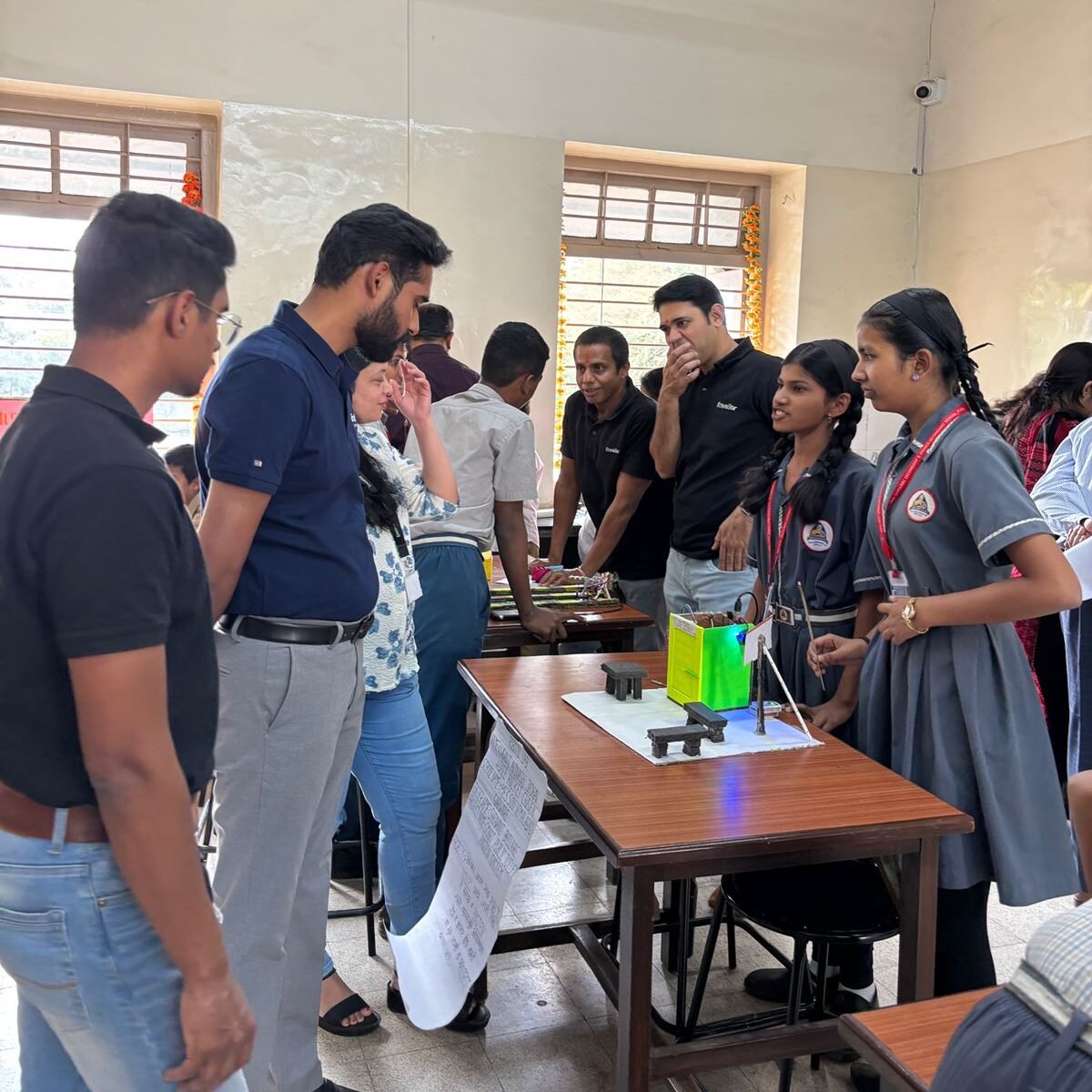
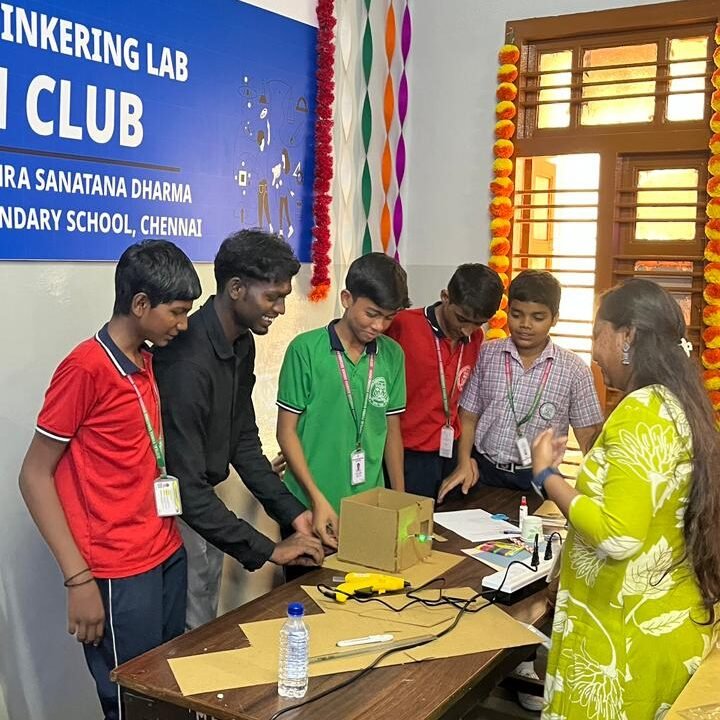
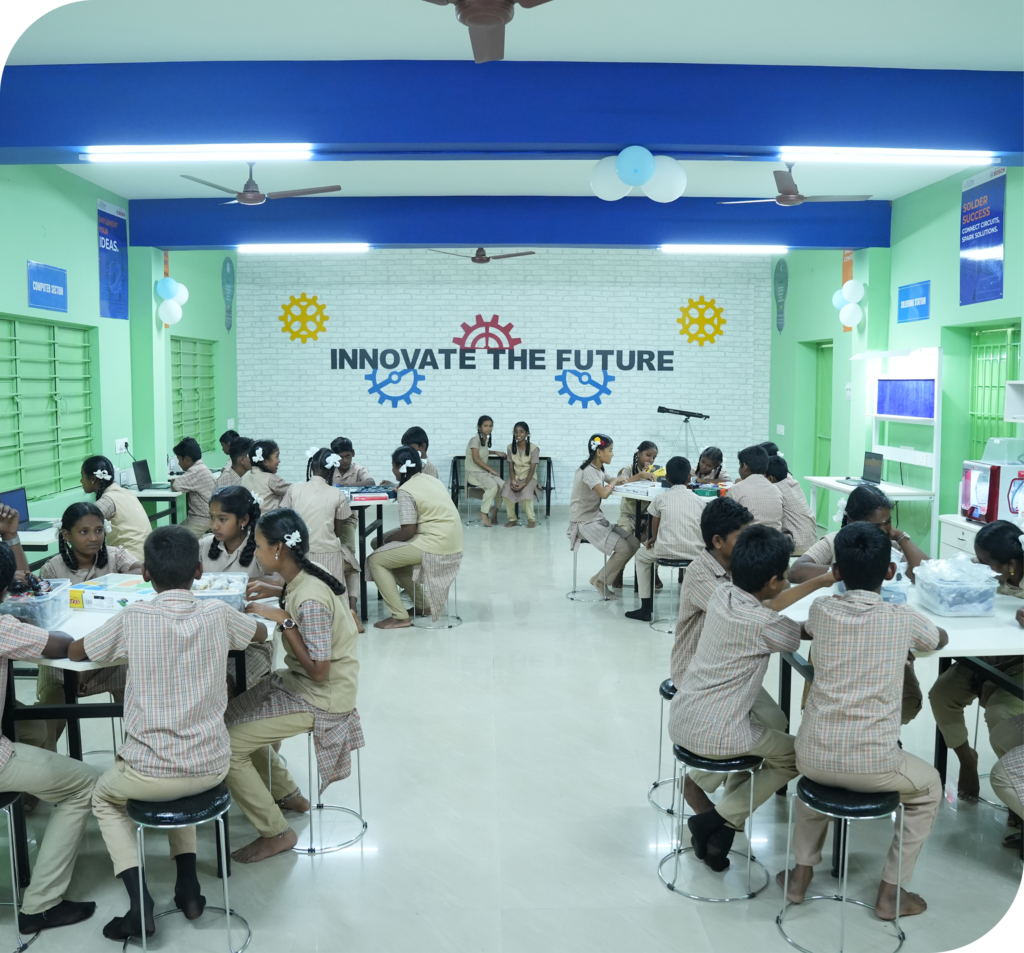
Across multiple showcase events in cities like Chennai, Bengaluru, and Pune, corporate volunteers have actively engaged with students from India STEM Foundation’s RSK labs and STEM Clubs. Their participation adds mentorship, feedback, and aspiration to the learning cycle. It bridges the gap between school education and professional application. For corporates, this model represents meaningful engagement and long-term talent ecosystem development. For students, it provides exposure that shapes ambition.
Experiential learning works because it activates higher-order thinking. Instead of memorizing formulas, students apply them. Instead of writing theoretical answers, they test real solutions. Instead of fearing mistakes, they analyze them. Research consistently shows that hands-on learning improves retention, critical thinking, and adaptability. Students remember what they build far longer than what they simply read.
In India’s evolving education landscape, experiential learning is no longer a luxury — it is a necessity. The demands of the future workforce require analytical thinking, collaboration, digital literacy, and innovation. By integrating RSK labs and STEM Tinkering Labs into schools, India STEM Foundation is helping institutions transition from passive instruction to active discovery.
Another important aspect of experiential learning is inclusivity. When students from diverse backgrounds are given access to structured labs and guided mentorship, it democratizes innovation. It ensures that exposure to robotics, coding, and engineering is not limited to a privileged few but becomes accessible to wider communities. This creates a stronger, more equitable STEM ecosystem.
Furthermore, experiential learning fosters resilience. In a tinkering lab, projects rarely succeed on the first attempt. Circuits fail. Code errors appear. Structures collapse. But students learn to iterate, debug, redesign, and improve. This iterative mindset prepares them not only for technical careers but for life itself. They learn persistence, adaptability, and structured problem-solving.
For schools and colleges, implementing experiential learning through structured STEM labs enhances academic credibility and student engagement. For corporates, partnering with organizations like India STEM Foundation offers a scalable and measurable way to contribute to education through CSR initiatives. For students, it creates clarity about career pathways and builds foundational skills that extend beyond examinations.
The success of experiential learning lies in its simplicity: when students are trusted to build, they grow. When they are encouraged to experiment, they innovate. When they are given feedback, they improve.
India STEM Foundation’s tinkering labs are not just physical spaces filled with equipment. They are environments designed to spark curiosity, encourage experimentation, and build future-ready thinkers. By combining hands-on learning with corporate mentorship and structured implementation, the foundation is demonstrating how experiential education can be effectively integrated into mainstream schooling.
As education systems continue to evolve, experiential learning will remain central to preparing students for a technology-driven world. And through its RSK labs and collaborative model, India STEM Foundation is showing how this approach can be scaled, sustained, and strengthened across India.
The future of education is not just about what students know. It is about what they can build, solve, and imagine. Experiential learning makes that future possible.