Every financial year, many companies in India set aside budgets for Corporate Social Responsibility (CSR) initiatives. However, as the financial year draws to a close, a portion of these funds often remains unutilized due to time constraints, planning challenges, or a lack of scalable and impactful programs to support.
What if these remaining CSR funds could be directed toward initiatives that create long-term impact while also aligning with national priorities?
Investing in STEM education—Science, Technology, Engineering, and Mathematics—through structured programs and innovation labs is one of the most effective ways companies can create measurable social impact while empowering the next generation of innovators.
Organizations like the INDIA STEM Foundation (ISF) have been working to bridge this gap by enabling companies to channel CSR investments into meaningful STEM initiatives that benefit thousands of students across India.
The Growing Importance of STEM Education
The world is rapidly transitioning toward a technology-driven future. Emerging fields such as artificial intelligence, robotics, automation, and data science are reshaping industries and redefining the nature of work. Preparing students for this future requires more than traditional classroom learning.
Students today need access to hands-on, experiential learning environments where they can experiment, build, and apply scientific concepts in practical ways.
STEM-focused programs help students develop critical thinking, creativity, and problem-solving abilities—skills that are essential not only for careers in technology but also for navigating an increasingly complex world.
However, access to such opportunities is still limited for many schools, especially in under-resourced communities. This is where CSR initiatives can play a transformative role.
For companies, CSR is not only about fulfilling regulatory requirements; it is about creating meaningful, sustainable impact. STEM education initiatives offer a powerful avenue for achieving this goal.
First, they align closely with national development priorities. India has placed significant emphasis on innovation, digital literacy, and skill development through initiatives such as Digital India, Skill India, and Atal Innovation Mission. Supporting STEM education through CSR contributes directly to these broader national goals.
Second, STEM initiatives create long-term, measurable impact. When companies invest in learning infrastructure such as robotics labs, tinkering labs, or STEM innovation programs, they are not just supporting a one-time activity—they are enabling continuous learning opportunities for generations of students.
Third, such initiatives help companies strengthen their brand purpose and social impact narrative. Supporting education, innovation, and youth development resonates strongly with employees, stakeholders, and communities.
Making the Most of Unspent CSR Funds
Many companies find themselves with remaining CSR funds toward the end of the financial year. The challenge often lies in identifying programs that are credible, scalable, and capable of delivering immediate as well as long-term impact.
STEM education programs offer a practical solution because they can be implemented efficiently while delivering meaningful outcomes.
Through structured partnerships, organizations like INDIA STEM Foundation help companies deploy CSR funds into initiatives such as:
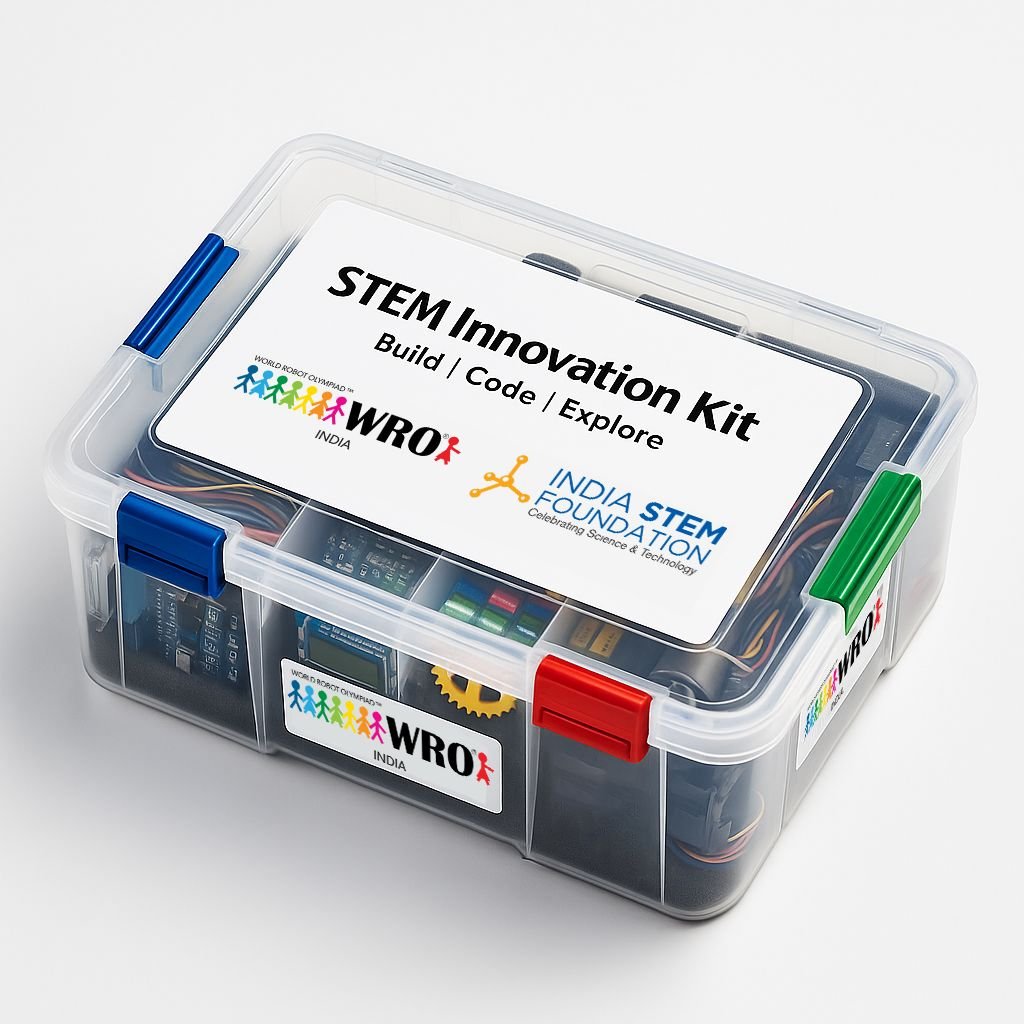
• Setting up STEM and robotics labs in schools
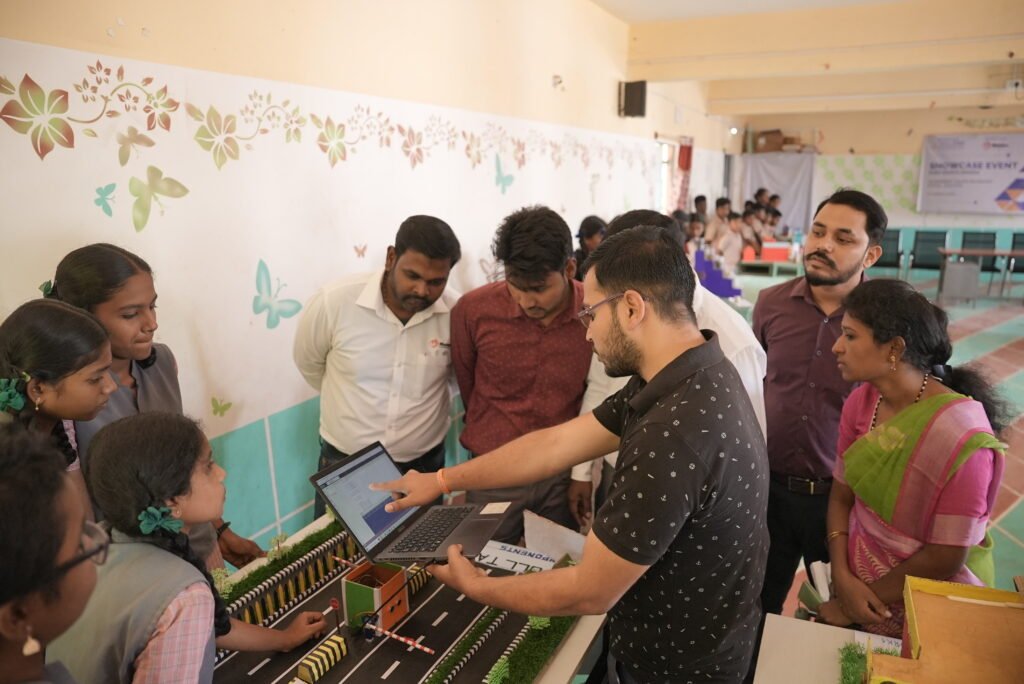
• Supporting hands-on learning programs and innovation workshops
• Enabling participation in global robotics competitions like World Robot Olympiad (WRO)
• Creating tinkering and maker spaces that encourage experimentation and innovation
These initiatives provide students with access to tools, mentorship, and learning experiences that would otherwise remain out of reach.
Impact on Students
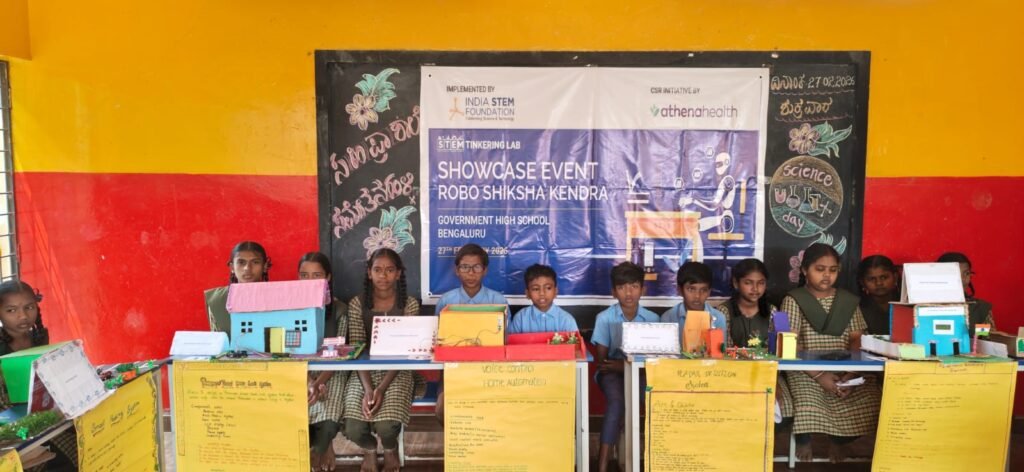
When students gain access to STEM-focused learning environments, the impact can be profound.
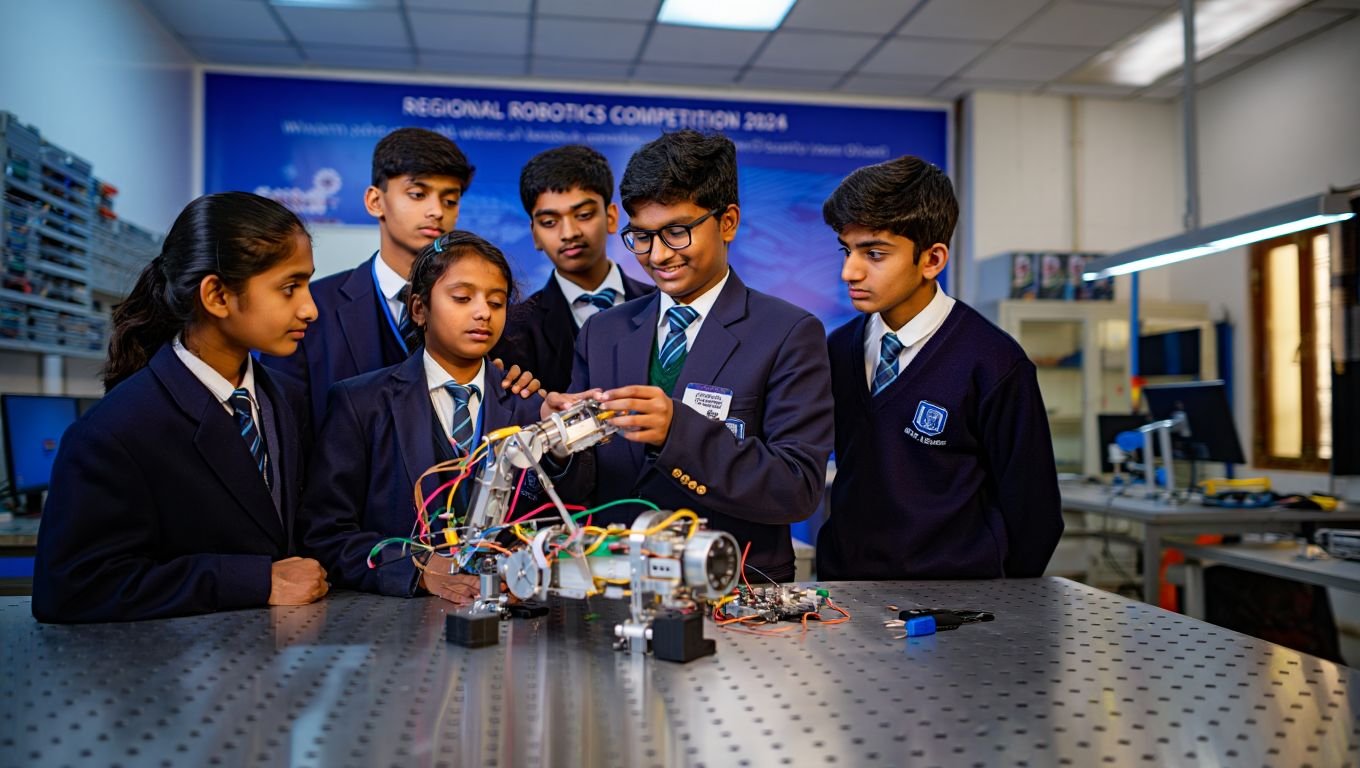
Hands-on learning encourages curiosity and confidence. Students begin to see themselves not just as learners, but as creators and problem-solvers. Building robots, designing models, and experimenting with sensors and coding allows them to connect classroom theory with real-world applications.
Such exposure often sparks long-term interest in science and technology careers. More importantly, it helps students develop 21st-century skills such as teamwork, analytical thinking, and innovation.
For many students, especially those in underserved communities, access to STEM programs can be life-changing. It opens doors to opportunities they may never have imagined.
Impact on Companies
CSR initiatives in STEM education also create meaningful value for companies.
By supporting innovation-driven education, companies position themselves as contributors to the country’s future talent pipeline. These initiatives demonstrate a commitment to social progress and responsible growth.
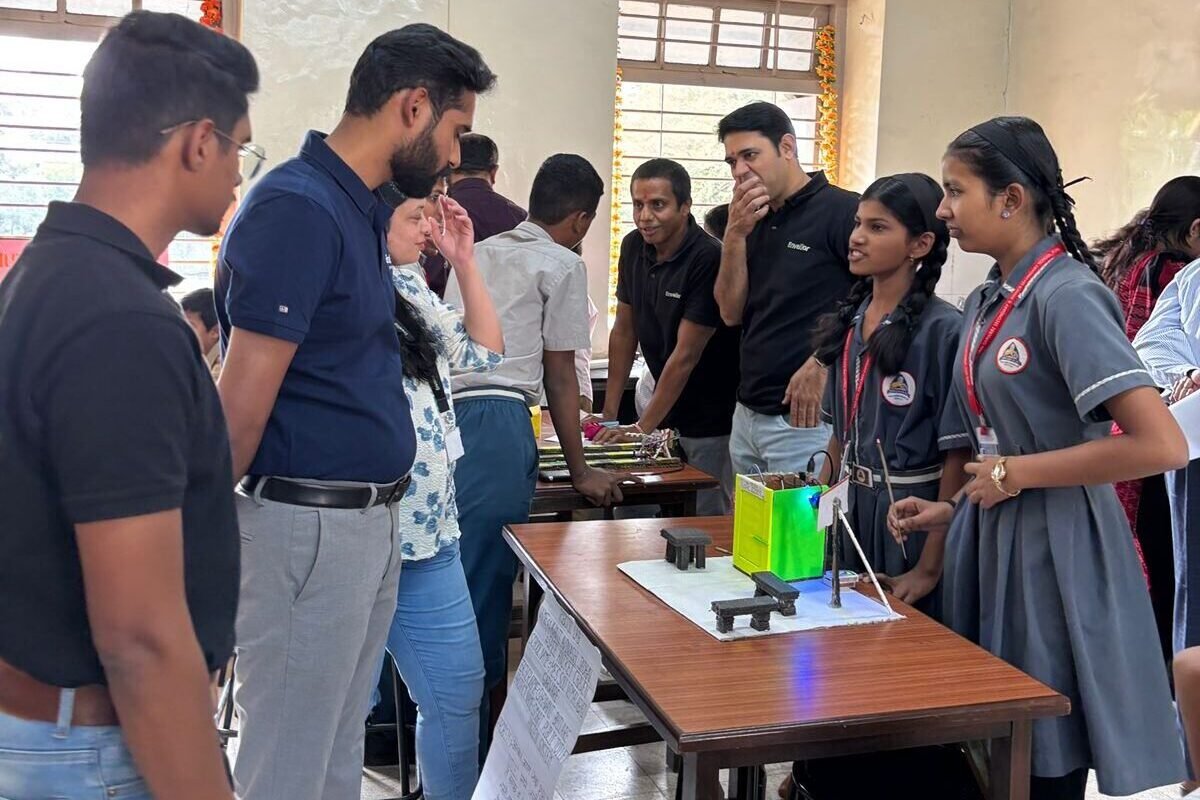
Additionally, STEM-focused CSR programs often create opportunities for employee engagement. Employees can volunteer as mentors, judges, or workshop facilitators, strengthening the connection between the organization and its social initiatives.
Such involvement not only amplifies impact but also fosters pride and purpose among employees.
Building a Future of Innovation
India’s demographic advantage lies in its young population. However, to fully realize this potential, the country must equip its students with the skills needed to thrive in a technology-driven world.
Investing CSR funds in STEM education is not just philanthropy—it is an investment in the future.
Through structured programs and partnerships, companies can help nurture a generation of thinkers, innovators, and problem-solvers who will shape the industries and technologies of tomorrow.