In today’s rapidly evolving world, education is no longer just about memorizing concepts or scoring well in examinations. The skills required to thrive in the future problem-solving, critical thinking, collaboration, and creativity cannot be developed through traditional classroom learning alone. This is where experiential learning becomes essential.
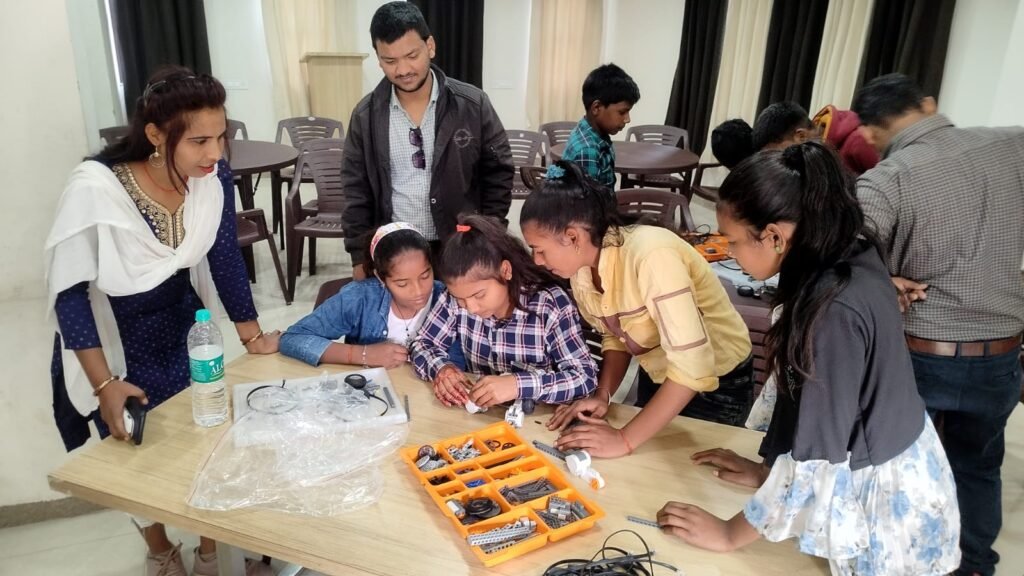
Experiential learning focuses on learning through doing. Instead of simply listening to lectures or reading from textbooks, students actively engage in hands-on activities that allow them to experiment, build, test, fail, and improve. It transforms learning from a passive experience into an active process where curiosity leads the way.
At INDIA STEM Foundation (ISF), experiential learning lies at the heart of their educational initiatives. Through dedicated tinkering labs, ISF creates environments where students can explore STEM (Science, Technology, Engineering, and Mathematics) concepts in a practical and engaging way. These labs empower young learners to turn ideas into real-world creations while developing skills that textbooks alone cannot provide.
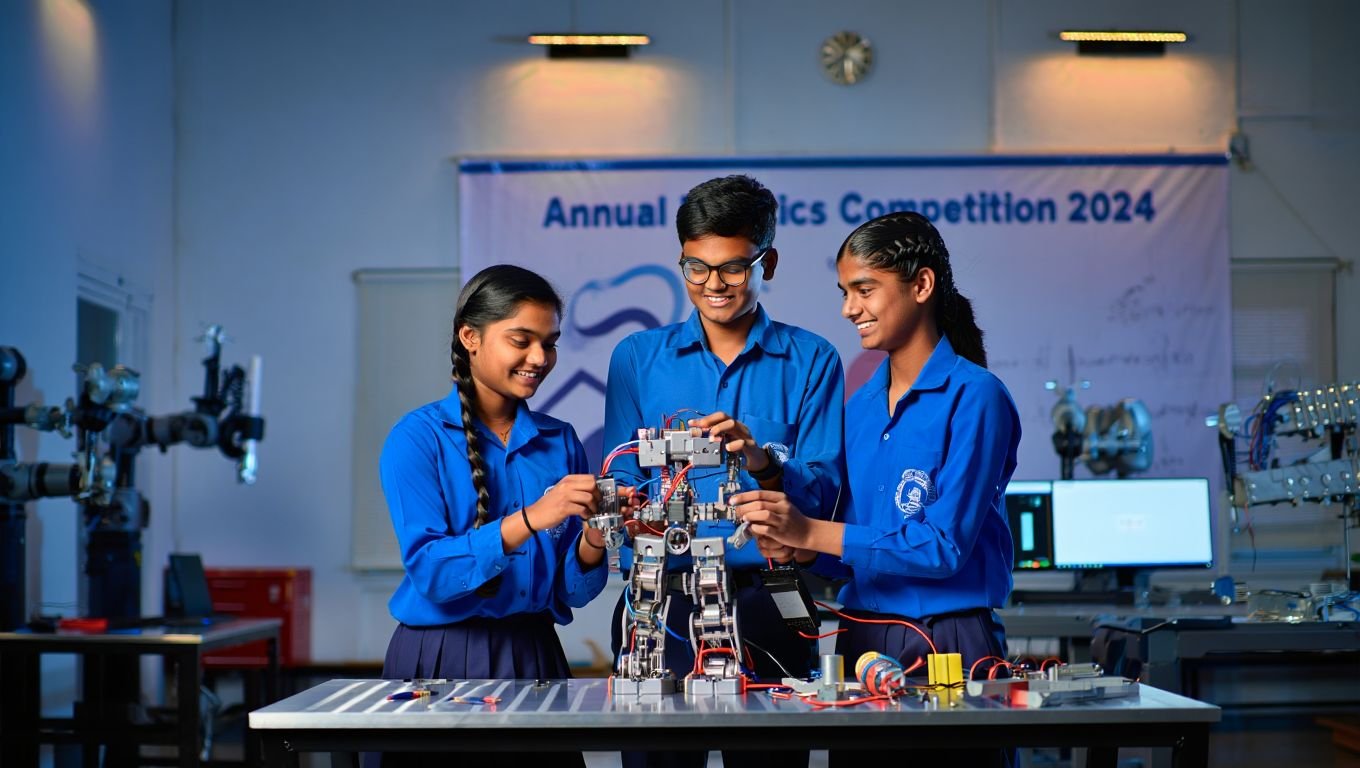
Experiential learning is based on a simple yet powerful idea: people learn best when they experience things firsthand. Instead of learning about how a machine works, students build one. Instead of only studying coding theory, they program a robot. Instead of memorizing scientific formulas, they test them through experiments.
This process typically follows a cycle:
students engage in an activity, reflect on what happened, understand the concepts behind it, and then apply that knowledge to new challenges.
Why Experiential Learning Works
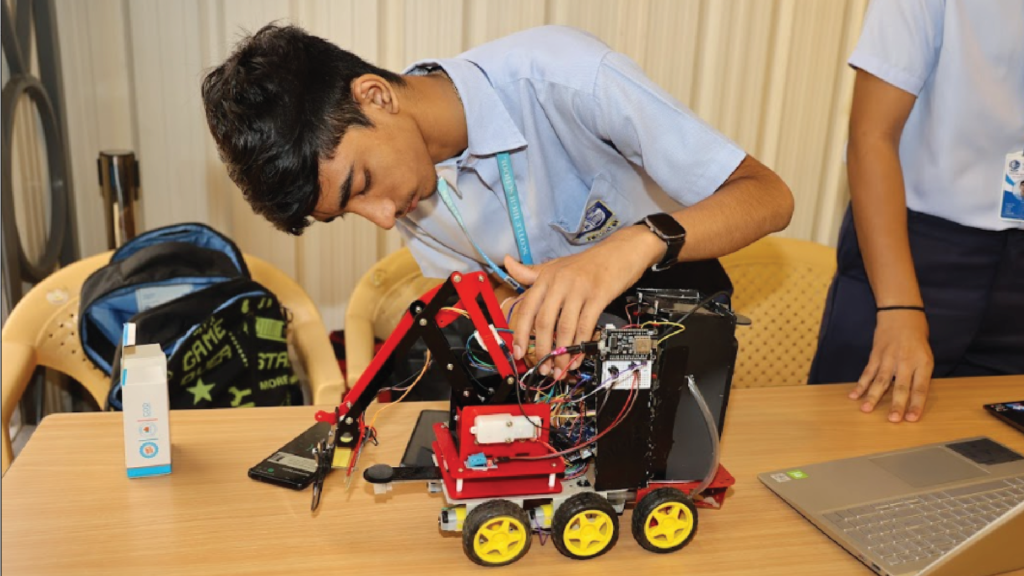
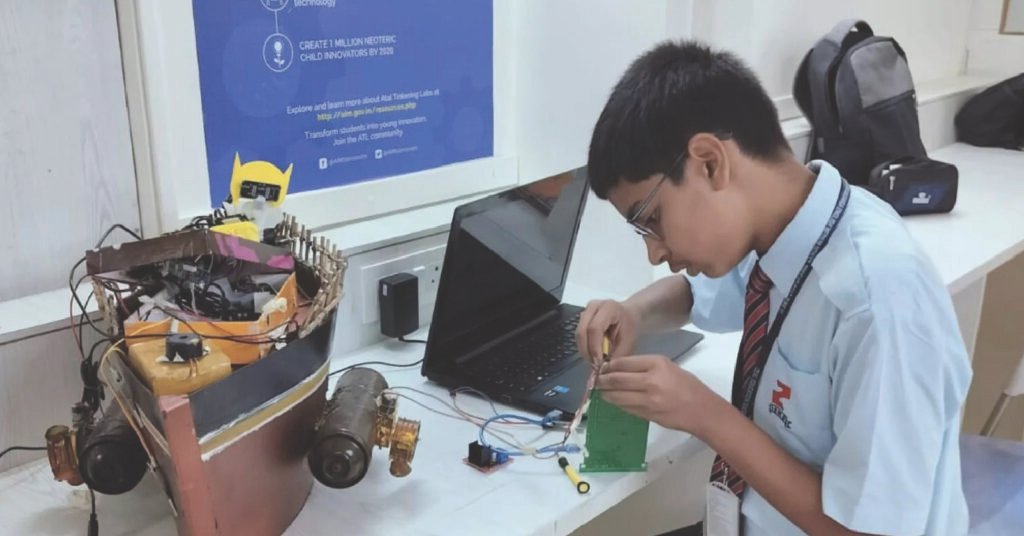
Experiential learning works because it aligns with how humans naturally understand the world. When students interact with ideas physically and mentally, the concepts become easier to grasp and remember.
First, it builds deeper understanding. When a student constructs a robotic mechanism or programs a sensor-based model, they see how theoretical principles operate in real situations. This bridges the gap between knowledge and application.
Second, it encourages problem-solving. Hands-on learning often presents unexpected challenges. A robot may not move as expected, a circuit might not function, or a design may need improvement. Instead of viewing mistakes as failures, students learn to treat them as opportunities to iterate and refine their approach.
Third, experiential learning boosts engagement. Traditional classrooms sometimes struggle to keep students interested, especially when lessons feel disconnected from reality. Building, experimenting, and tinkering naturally spark enthusiasm and motivation.
Finally, it develops real-world skills. Collaboration, design thinking, resilience, and innovation emerge naturally when students work on practical projects.
The Role of Tinkering Labs
Tinkering labs are specially designed spaces that bring experiential learning to life. They provide students with tools, technology, and structured learning modules that allow them to explore STEM concepts through projects.
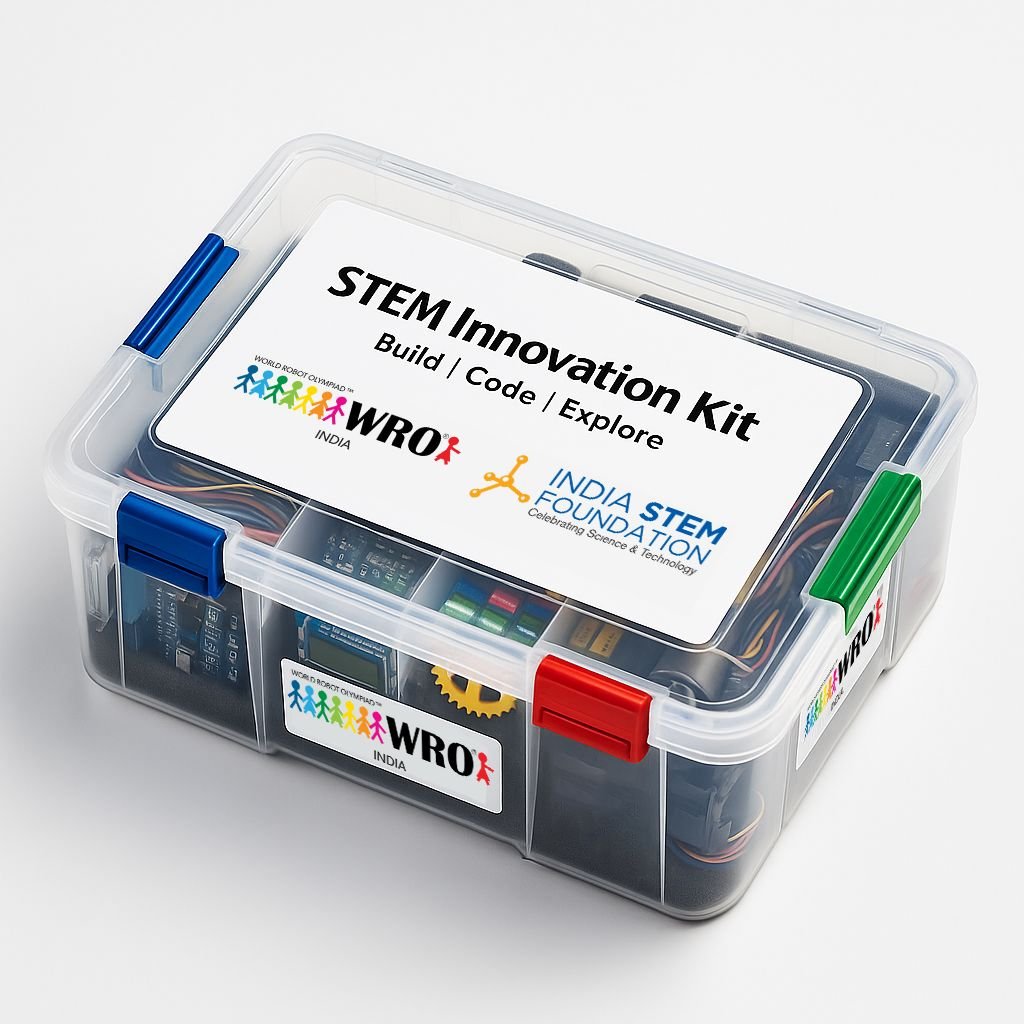
At INDIA STEM Foundation’s tinkering labs, students gain access to equipment such as robotics kits, electronics components, sensors, coding platforms, and creative prototyping tools. These labs are not just classrooms with gadgets—they are innovation spaces where curiosity is encouraged and experimentation is celebrated.
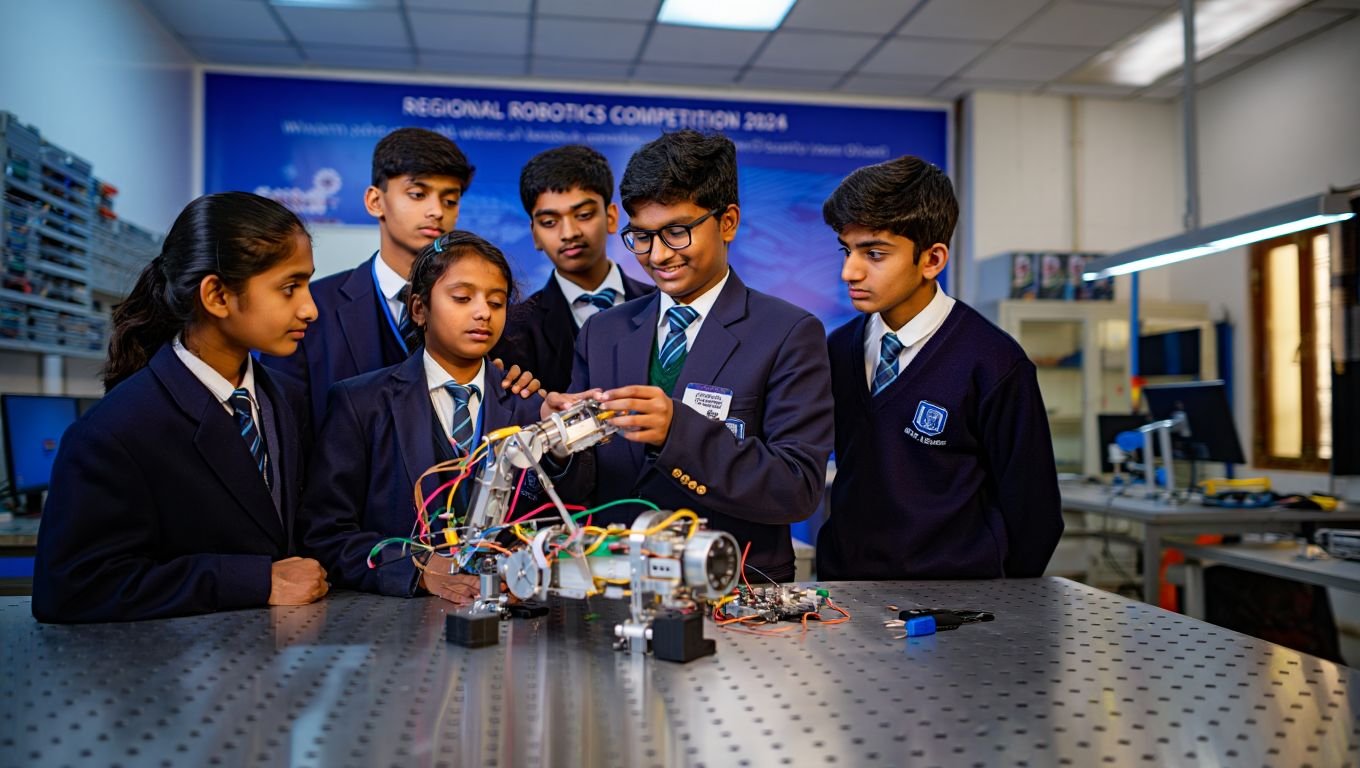
In a typical session, students might build a line-following robot, design a mechanical structure, or create a simple automation system using sensors and programming. While working on these projects, they apply principles of physics, mathematics, and engineering without even realizing they are doing so.
The beauty of tinkering labs lies in their ability to transform abstract concepts into tangible experiences.
Learning Beyond the Curriculum
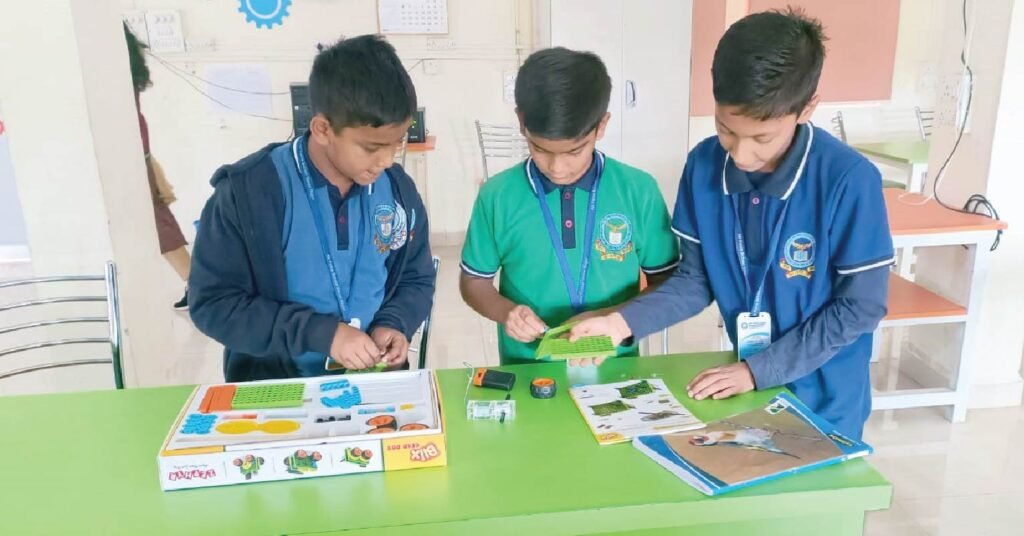
One of the most powerful aspects of tinkering labs is that they encourage learning beyond traditional syllabi. While schools often focus on completing prescribed curricula, innovation labs allow students to explore ideas that go beyond textbooks.
Students are encouraged to experiment with their own ideas, collaborate with peers, and develop solutions to real-world problems. Whether it’s building a smart irrigation model or designing a simple automated system, the focus is always on creative exploration and innovation.
Such experiences help students understand that STEM is not just a subject it is a way of thinking and solving problems.
Building Future-Ready Skills
As technology continues to reshape industries across the globe, the demand for STEM skills is growing rapidly. However, future careers will require more than technical knowledge alone. They will demand adaptability, creativity, and the ability to work across disciplines.
Experiential learning environments like ISF’s tinkering labs help students develop these future-ready capabilities early on. Through hands-on challenges and collaborative projects, students learn how to think critically, analyze problems, and design solutions.
Equally important, they develop confidence. When a student successfully builds a working robot or solves a complex design challenge, it reinforces their belief in their own abilities.
Inspiring the Next Generation of Innovators
The long-term impact of experiential learning goes beyond academic performance. It shapes how students approach challenges and opportunities throughout their lives.
By giving young learners the freedom to experiment and innovate, tinkering labs nurture curiosity and creativity two qualities that are essential for scientific discovery and technological advancement.
The INDIA STEM Foundation has been instrumental in bringing such opportunities to students across the country. Through their experiential learning initiatives, thousands of young minds are being introduced to the excitement of STEM in a way that is practical, engaging, and inspiring.