On 8 September 2026, an engaging Athenahealth STEM volunteering activity in Bengaluru brought students and professionals together for a day of innovation, learning, and collaboration.
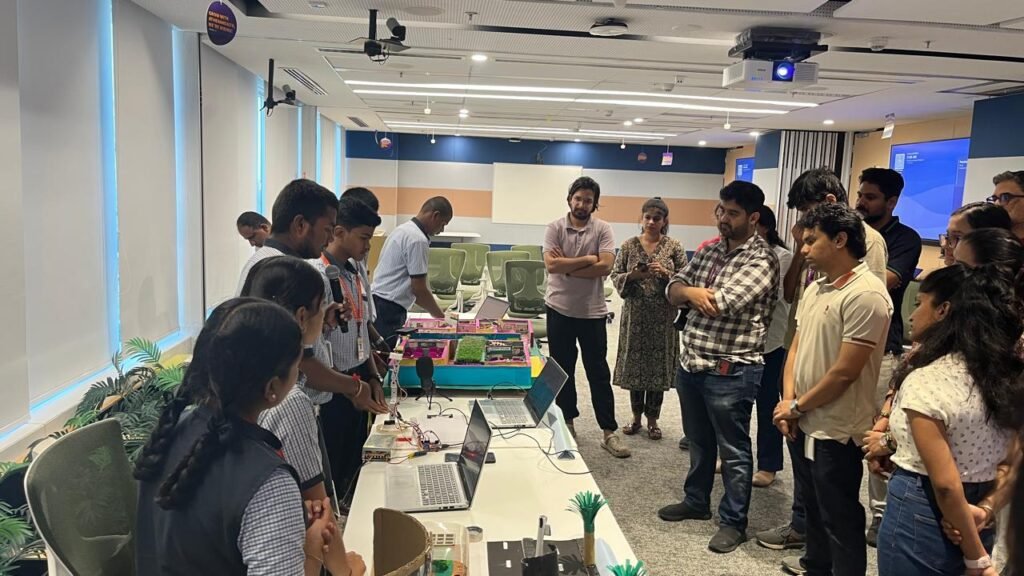
The activity brought together CSR-supported student teams and more than 15 enthusiastic Athenahealth volunteers. The session gave students an opportunity to present their ideas, build a robotics project, and learn directly alongside industry professionals.
Students Showcase Their Robotics Projects
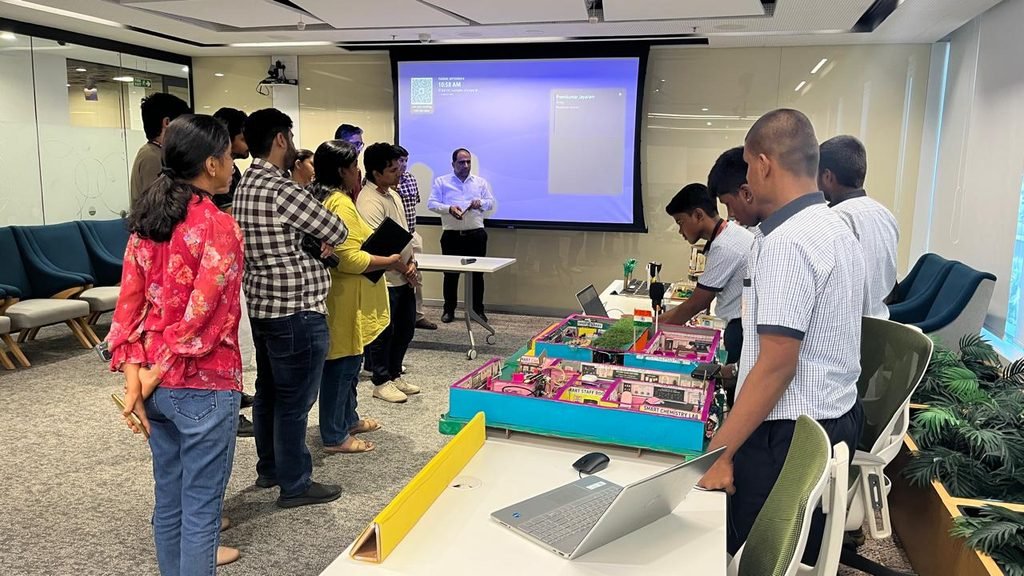
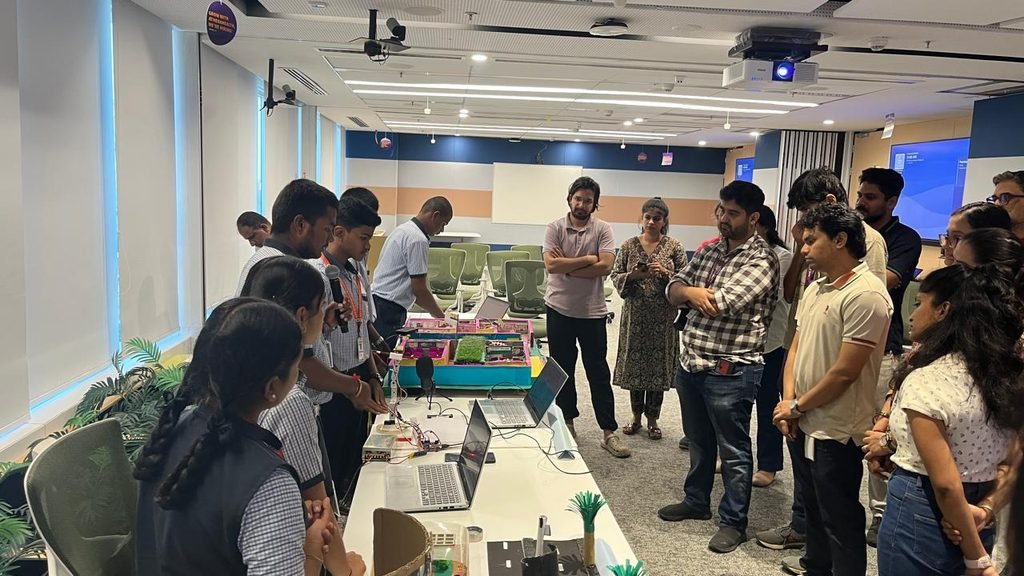
The activity began with students introducing their teams and presenting their innovative projects to the volunteers.
This gave students a chance to explain their ideas and discuss their approach. It also created an open environment where volunteers could interact with the teams and understand their projects.
For the students, presenting their work to professionals was an important learning experience. It encouraged them to communicate their ideas clearly and respond to questions with confidence.
A Hands-On Arduino & Sensors Activity
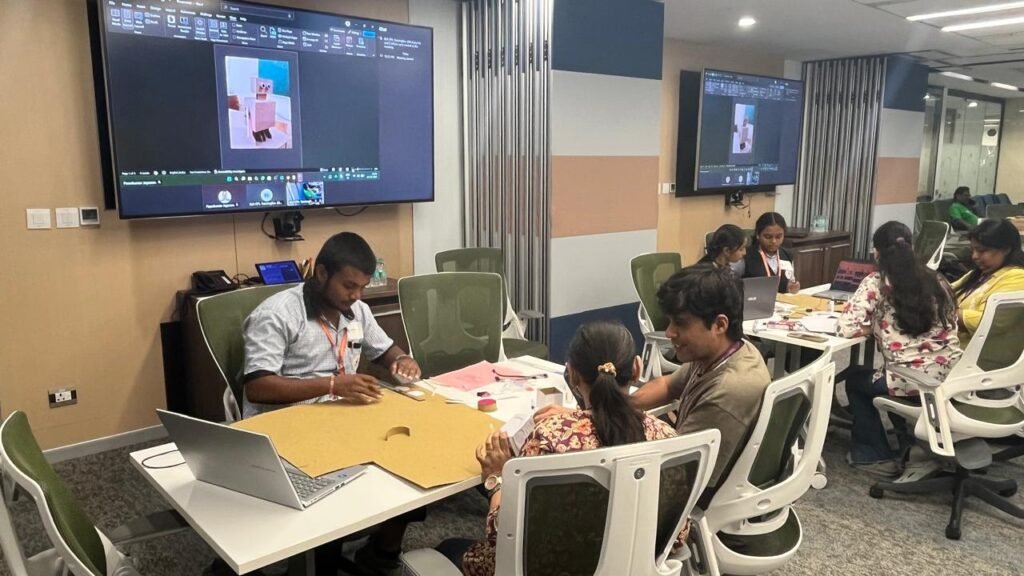
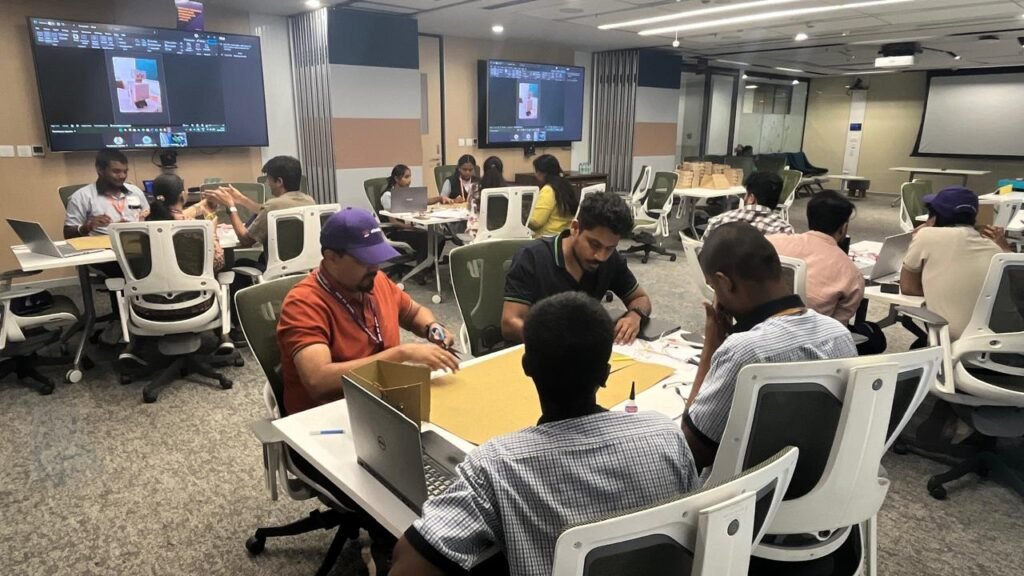
The session then moved from project presentations to hands-on learning.
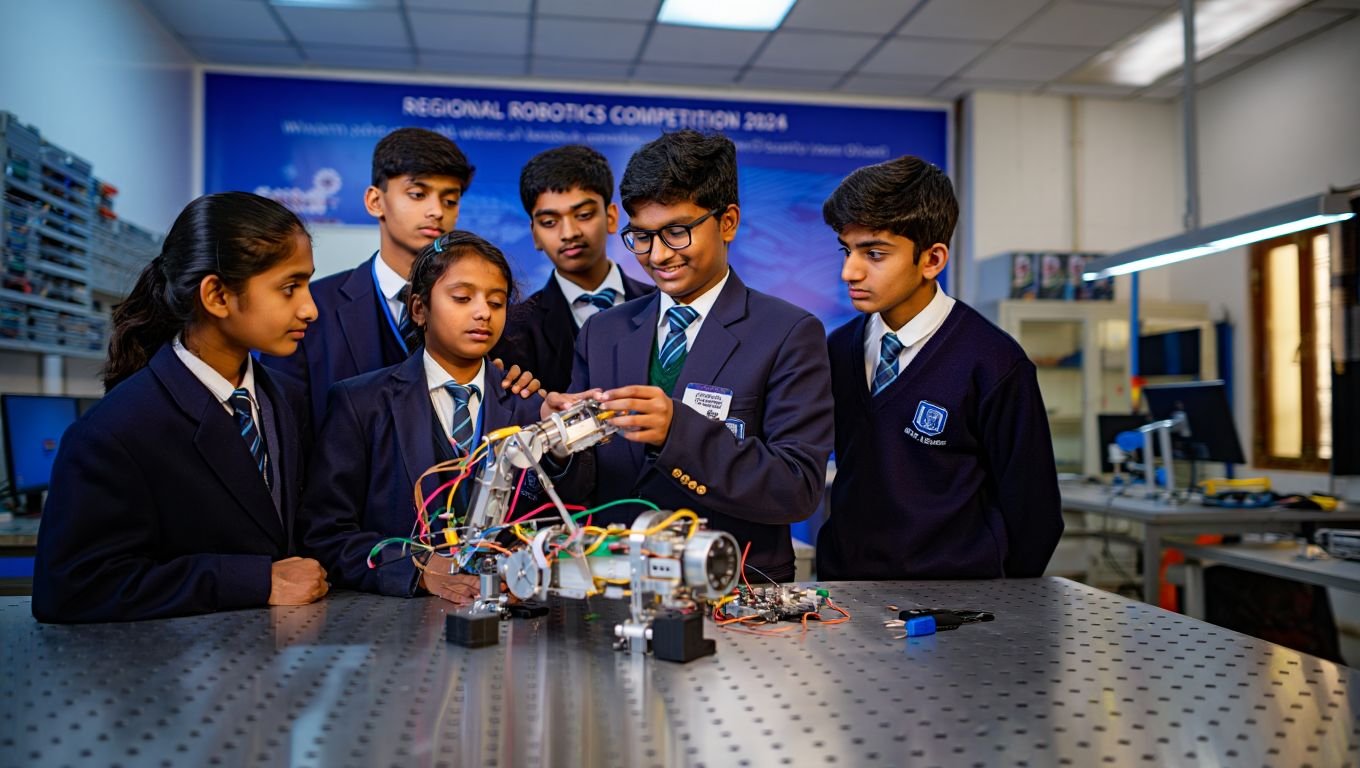
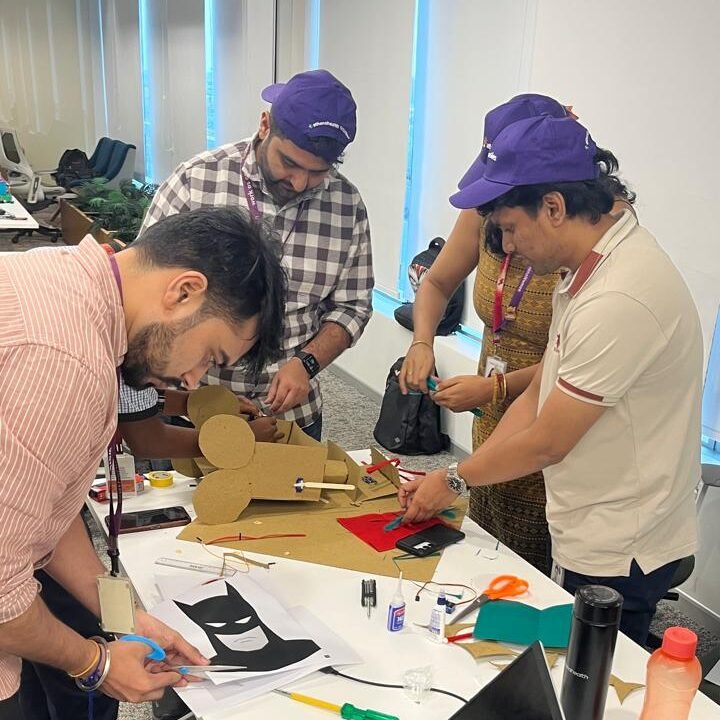
Students and volunteers worked together to build a bot using Arduino and sensors. This activity allowed students to apply their technical knowledge while working closely with professionals.
Through this practical experience, students could explore how different components work together to create a functioning robotic system. They also had the opportunity to learn through experimentation and teamwork.
Hands-on activities like these can make STEM concepts more engaging. They allow students to move beyond theory and learn by building and testing.
Learning Alongside Industry Professionals
One of the key highlights of the activity was the interaction between students and Athenahealth volunteers.
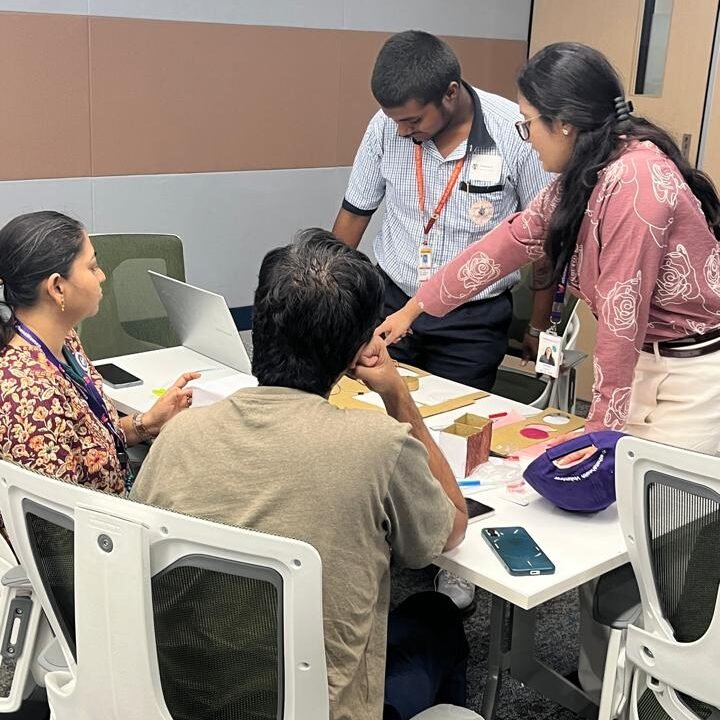
Students exchanged ideas with professionals and received valuable feedback on their projects and presentations. These conversations helped students look at their work from a new perspective.
At the same time, working alongside volunteers created an encouraging learning environment. Students could ask questions, discuss challenges, and explore different approaches to solving problems.
Such interactions can help young learners understand how technical skills connect with real-world applications.
Strengthening Skills Beyond Robotics
The activity was not only about building a robot. It also helped students develop skills that are important for their future.
Through teamwork and practical problem-solving, students strengthened their ability to collaborate and think creatively. Presenting their projects also helped them build communication and confidence.
Moreover, working with volunteers encouraged students to approach challenges with curiosity and persistence.
These experiences complement robotics learning by helping students develop skills that extend beyond the competition environment.
The Value of STEM Volunteering
Industry volunteering can create meaningful learning opportunities for students. Professionals bring practical knowledge, fresh perspectives, and real-world experiences into student learning environments.
The Athenahealth STEM volunteering activity in Bengaluru created exactly this kind of interaction. Students gained an opportunity to learn from professionals while volunteers contributed their time and expertise to support young innovators.
These engagements can help build stronger connections between education and industry. They also give students greater exposure to the possibilities within STEM.
Building Confidence Through Collaboration
For young innovators, confidence grows through opportunities to present, experiment, ask questions, and learn from others.
The Bengaluru activity brought all these elements together. Students presented their projects, built a bot, collaborated with volunteers, and exchanged ideas throughout the session.
As a result, the experience gave students more than technical exposure. It encouraged them to communicate, collaborate, and approach problem-solving with greater confidence.
We appreciate the Athenahealth volunteers for contributing their time and expertise and for creating an encouraging environment for young innovators.
Most importantly, the activity gave students another opportunity to learn by doing, work with professionals, and strengthen their confidence as young problem-solvers.