Artificial Intelligence is rapidly reshaping how students learn and how educators teach. In STEM education, this shift is even more significant. Traditional methods are giving way to adaptive, technology-driven learning environments where students are not just absorbing information but actively engaging with it.
As industries evolve with AI at their core, education systems are also adapting to prepare students with the skills needed for a technology-driven future.
A Shift Towards Smarter Learning
AI is enabling a more personalized approach to education. Instead of a one-size-fits-all model, students can now learn at their own pace, with systems that adapt to their strengths and areas of improvement. This shift is helping learners build confidence while improving their understanding of complex STEM concepts.
At the same time, educators are able to track learning patterns, identify gaps, and provide more focused guidance. This creates a more efficient and impactful learning experience for both students and teachers.
Why AI Matters in STEM Education
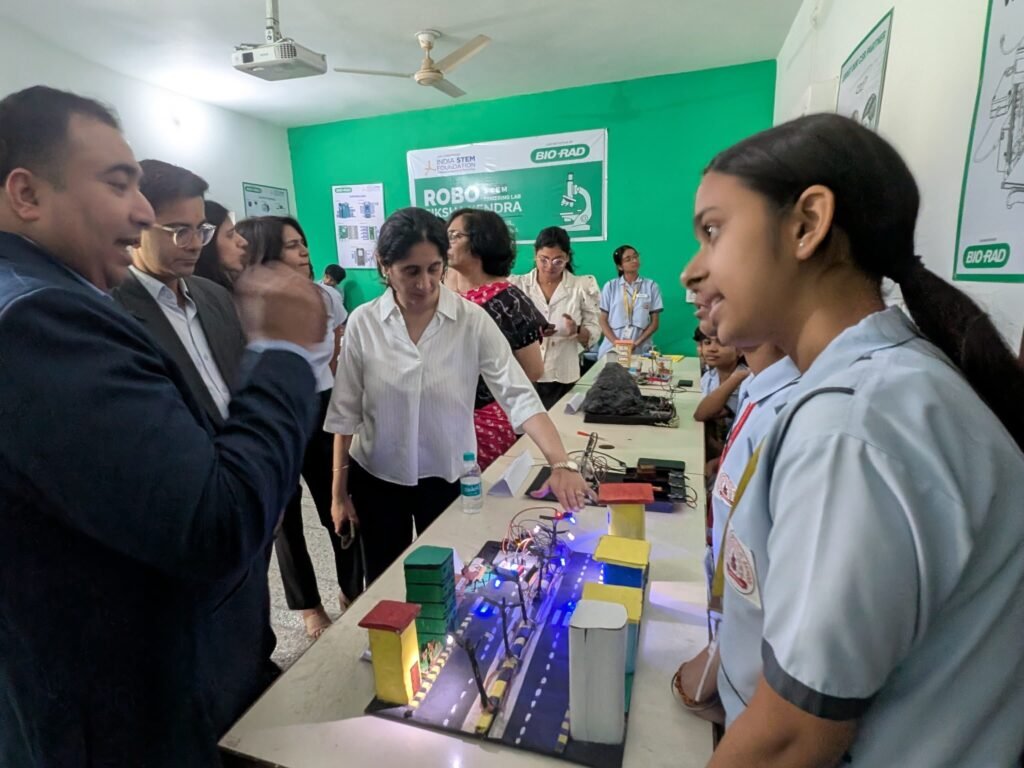
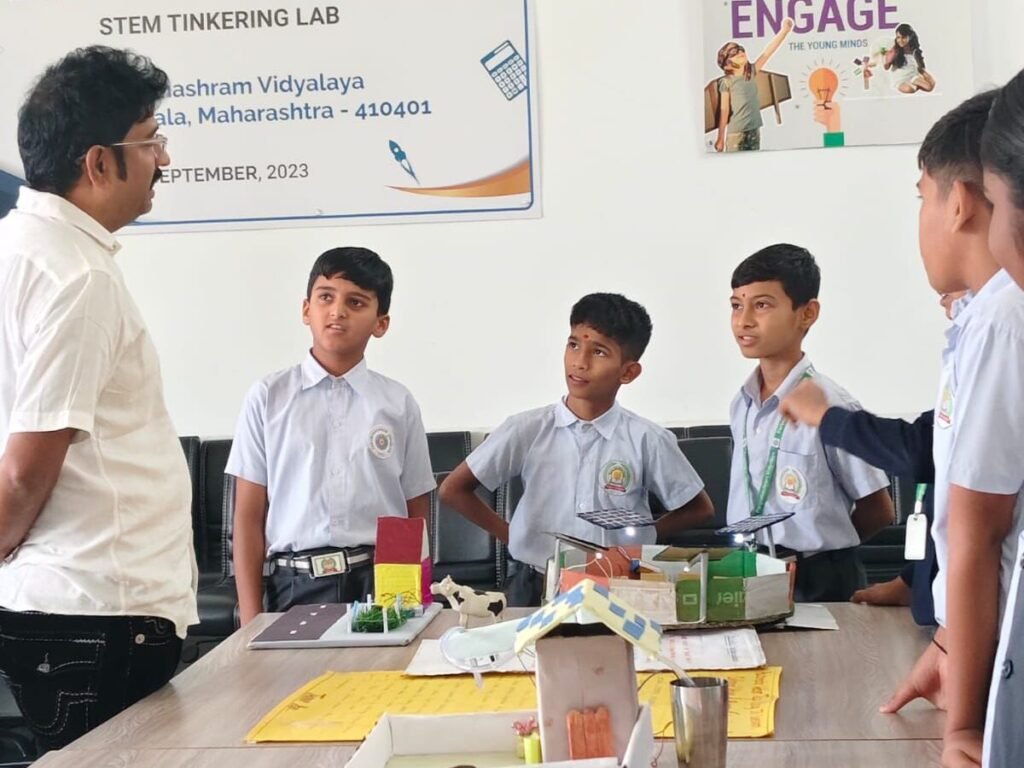
STEM learning is rooted in problem-solving, experimentation, and innovation. AI strengthens these aspects by introducing tools and environments where students can explore concepts in a more practical and engaging way.
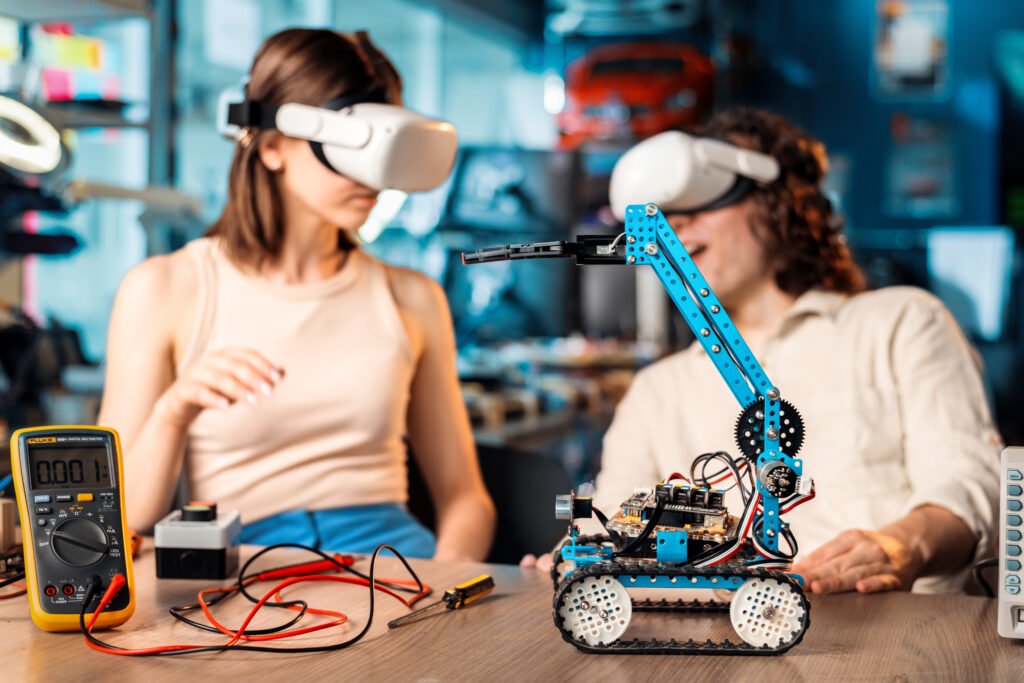
From simulations to intelligent systems, students are now exposed to technologies that reflect real-world applications. This exposure helps them develop analytical thinking and prepares them to work with advanced technologies in the future.
More importantly, AI is helping bridge the gap between theoretical learning and real-world problem-solving, which has traditionally been a challenge in education.
The Growing Role of Experiential Learning
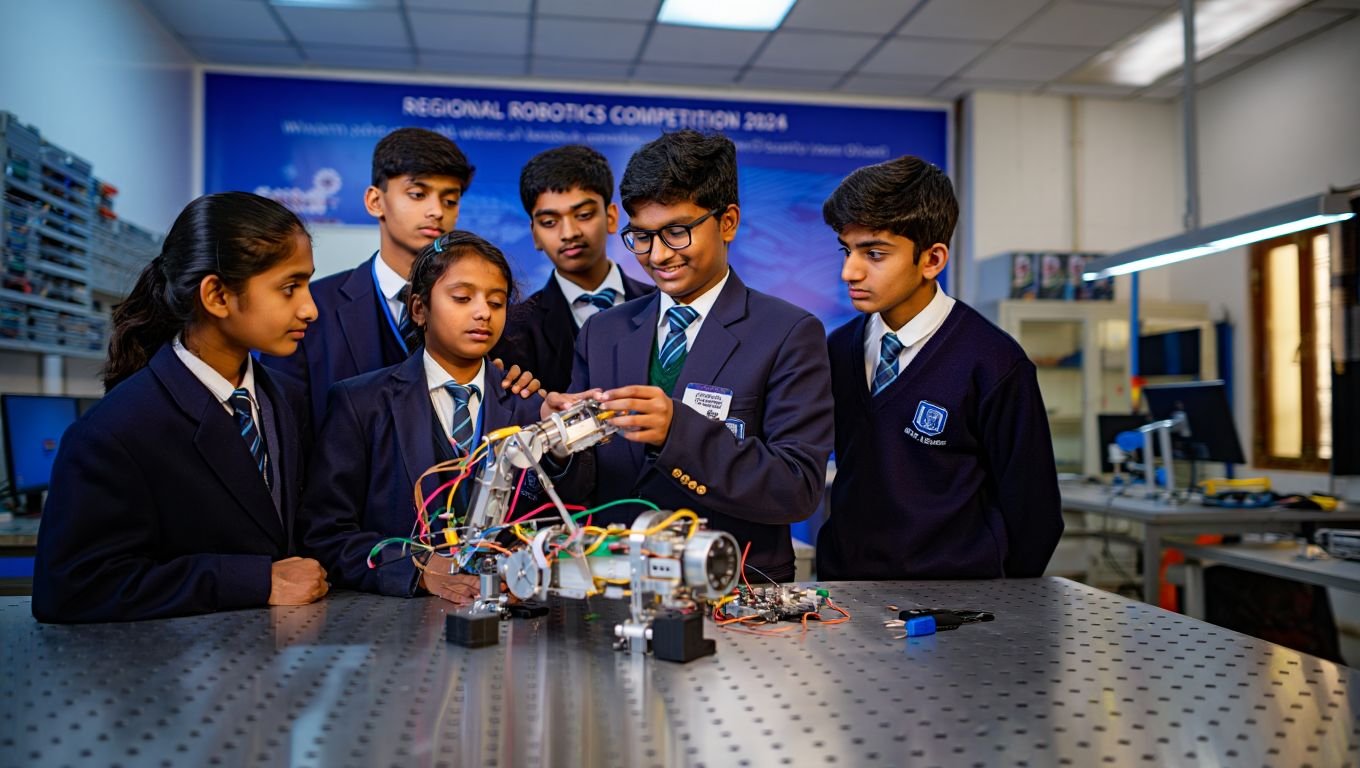
Across India and globally, there is a clear shift towards experiential and hands-on learning. Schools and institutions are increasingly integrating robotics, coding, and innovation-driven activities into their curriculum.
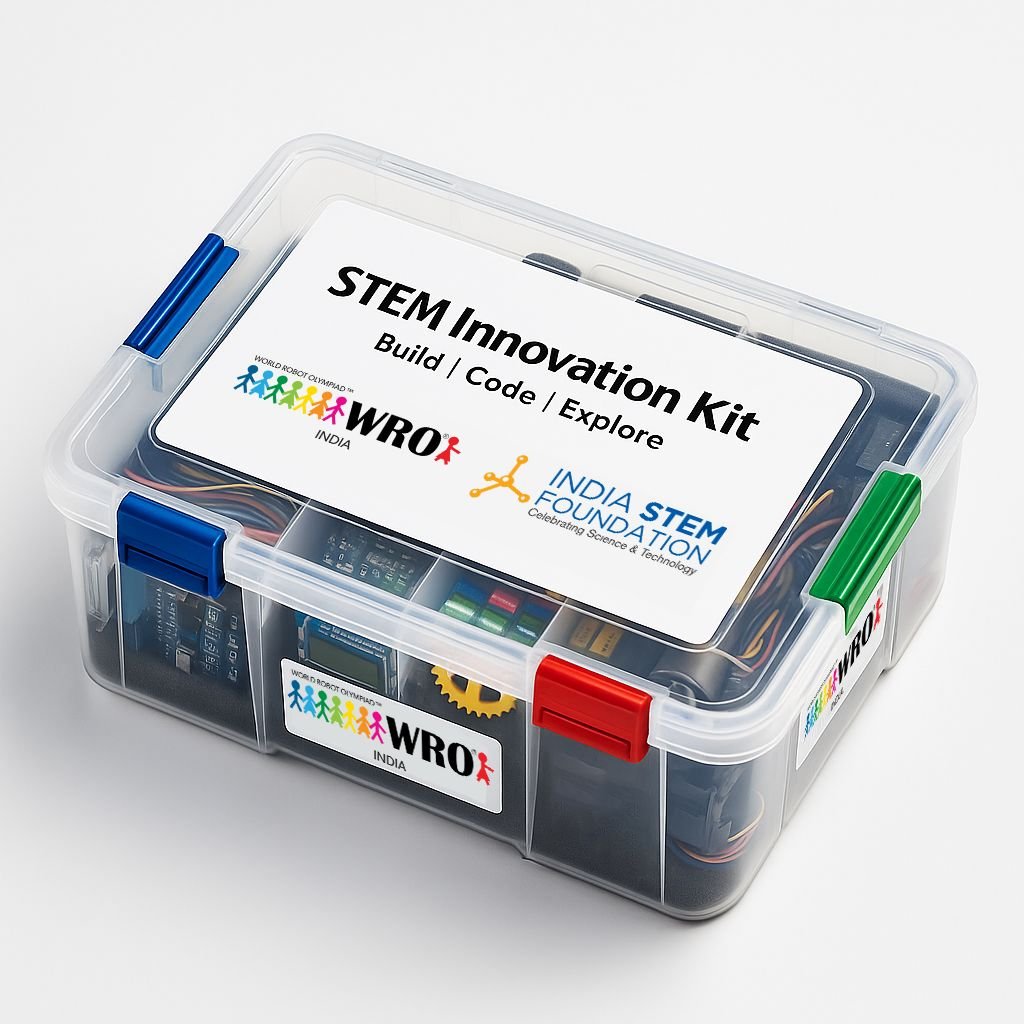
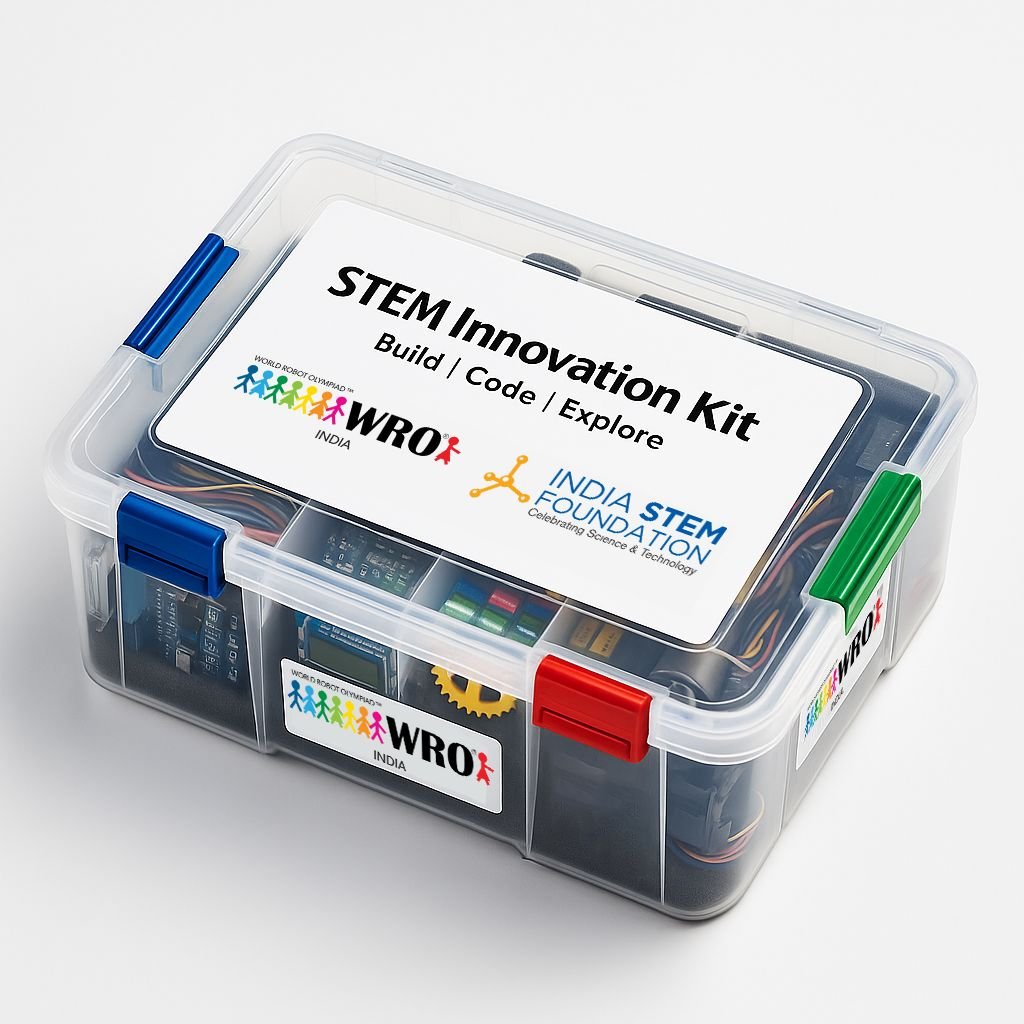
This is where organizations like India STEM Foundation are playing a crucial role. By enabling access to structured STEM programs and hands-on learning environments, they are helping students move beyond textbooks and engage with technology in meaningful ways.
These initiatives are not only improving learning outcomes but also building curiosity and confidence among students.
WRO India and Innovation-Driven Learning
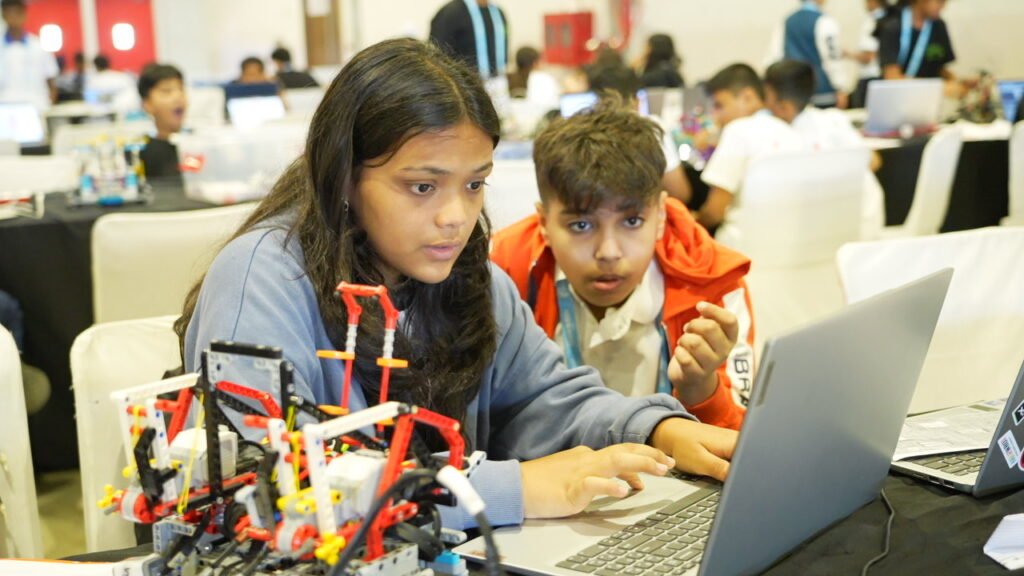
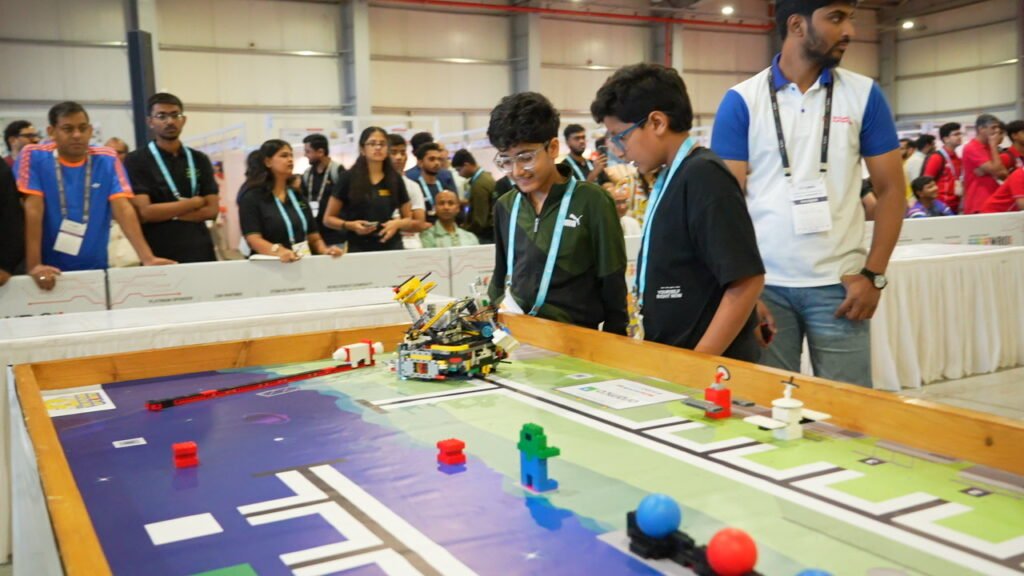
India STEM Foundation, under its flagship program WRO India, provides students with a platform to apply their knowledge through robotics and innovation challenges. These competitions encourage students to think critically, design solutions, and work collaboratively.
While not directly labeled as AI learning, the skills developed through WRO India strongly align with AI-based thinking. Students learn to approach problems logically, test ideas, and refine solutions – all of which are essential in an AI-driven world.
Such platforms play a vital role in nurturing future innovators by combining creativity with technical understanding.
Preparing Students for a Technology-Driven Future
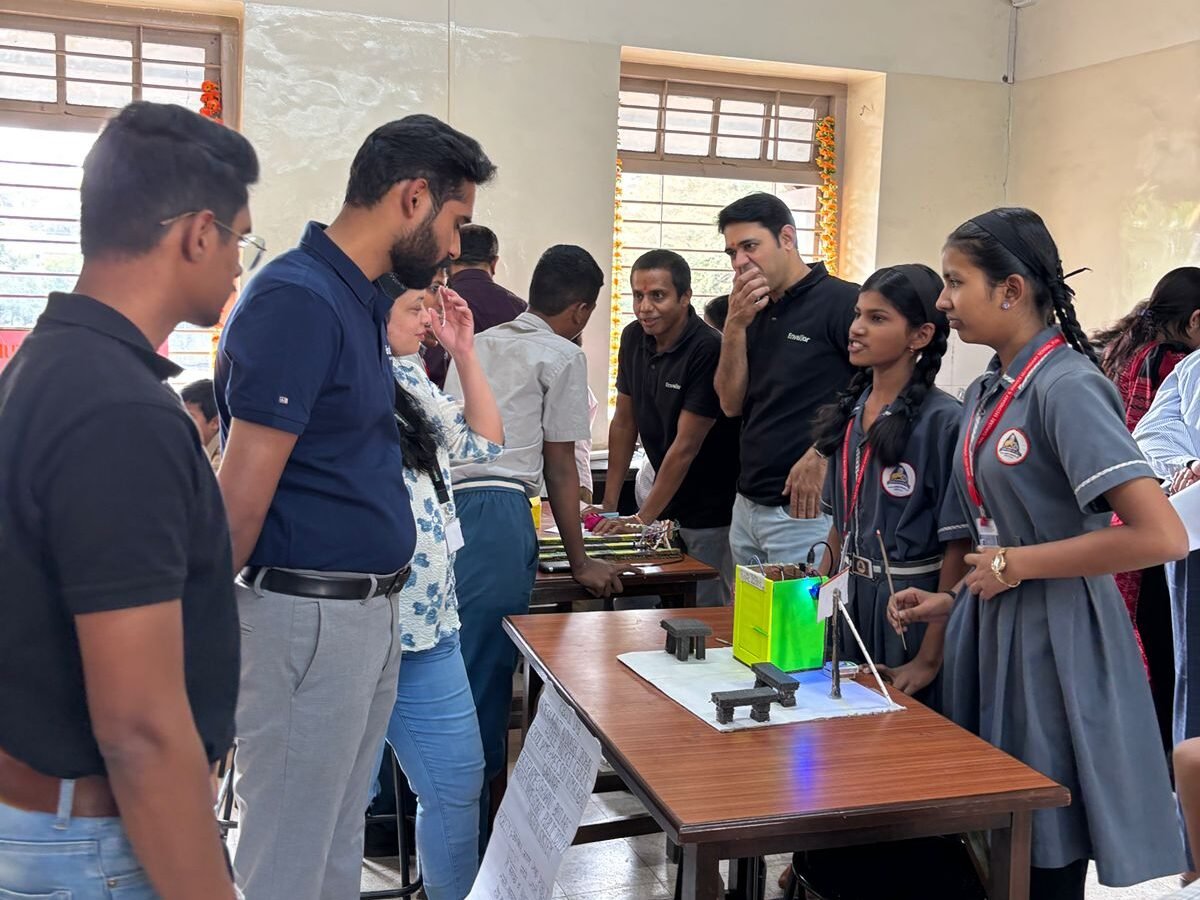

As AI continues to influence industries, the demand for skills like critical thinking, adaptability, and digital literacy is increasing. STEM education, supported by AI and experiential learning, is helping students build these capabilities from an early stage.
This approach ensures that learners are not only academically prepared but also equipped to navigate real-world challenges with confidence.
Conclusion
AI is not just enhancing education – it is redefining it. By making learning more personalized, practical, and future-focused, AI is transforming the way students engage with STEM.
With continued efforts from organizations like India STEM Foundation and initiatives such as WRO India, students are gaining the exposure and skills needed to succeed in a rapidly evolving world. As this transformation continues, AI will remain at the center of building a new generation of innovators and problem-solvers.