Education is evolving beyond traditional classroom learning. Today, students need more than theoretical knowledge to succeed in a rapidly changing world. They need the ability to think critically, solve problems, collaborate, and innovate. This is where project-based learning is transforming STEM education.
By encouraging students to learn through hands-on activities and real-world challenges, project-based learning is helping create deeper engagement and stronger understanding of STEM concepts. It is enabling learners to move from passive learning to active exploration and innovation.
What is Project-Based Learning in STEM Education
Project-based learning is a teaching approach where students gain knowledge and skills by working on practical projects over an extended period. Instead of memorizing concepts, learners actively apply what they study to solve real-world problems.
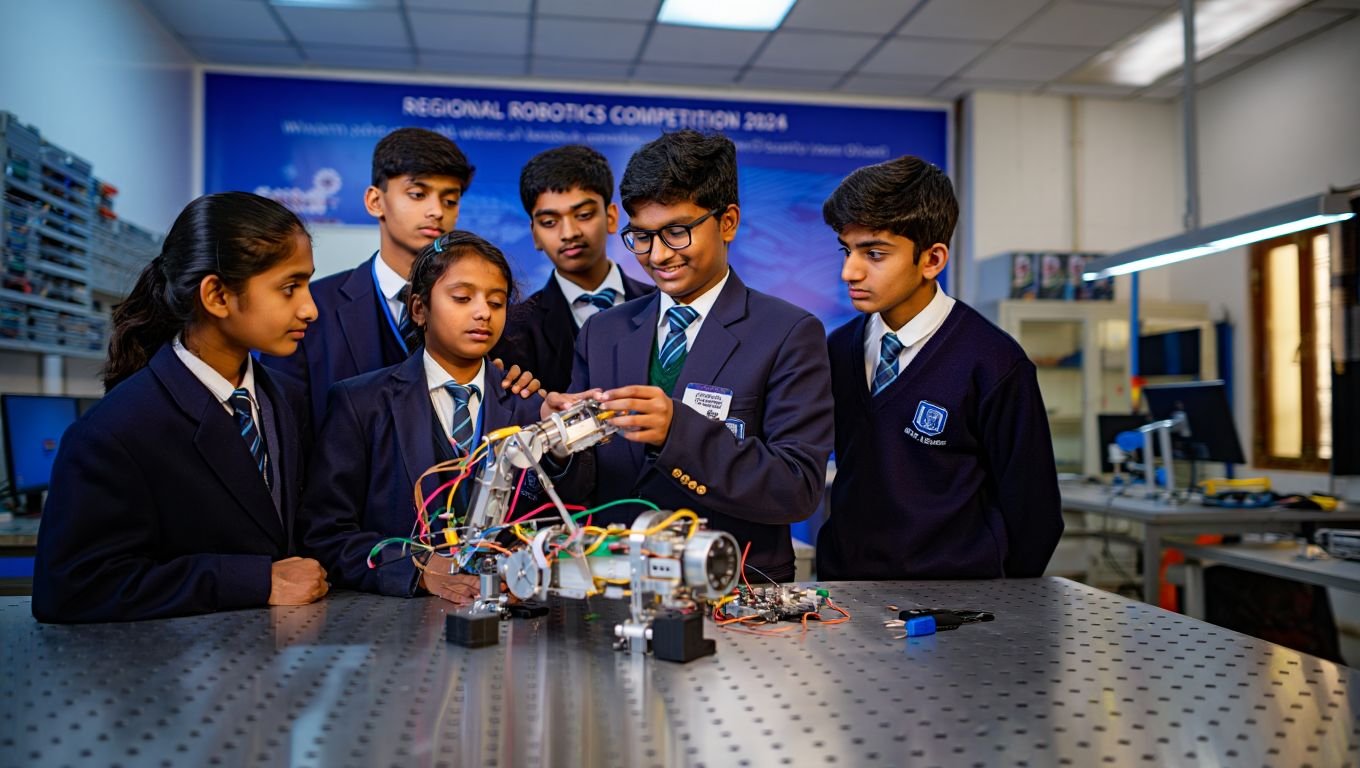
In STEM education, this approach allows students to experiment, design, build, and test solutions while developing both technical and creative skills. Whether it is building robotics models, designing prototypes, or solving engineering challenges, project-based learning creates meaningful learning experiences.
Why Hands-On Learning Matters
Traditional learning methods often focus heavily on theory, leaving limited space for experimentation and application. Project-based learning changes this by placing students at the center of the learning process.
When students work on practical STEM projects, they:
- Understand concepts more effectively
- Develop confidence through experimentation
- Improve creativity and innovation skills
- Learn teamwork and collaboration
- Strengthen problem-solving abilities
Hands-on learning also increases student engagement because learners can directly see how STEM concepts apply in real life.
The Growing Importance of STEM Innovation
Across industries, innovation is becoming one of the most valuable skills for the future workforce. As technologies such as Artificial Intelligence, robotics, automation, and data science continue to grow, students must be prepared to think beyond textbooks.
Project-based STEM learning encourages students to approach challenges with curiosity and creativity. It helps them build the mindset required for innovation while preparing them for future careers in science and technology.
Educational institutions and organizations are increasingly recognizing the importance of experiential learning environments that promote exploration and practical understanding.
Role of India STEM Foundation in Experiential Learning
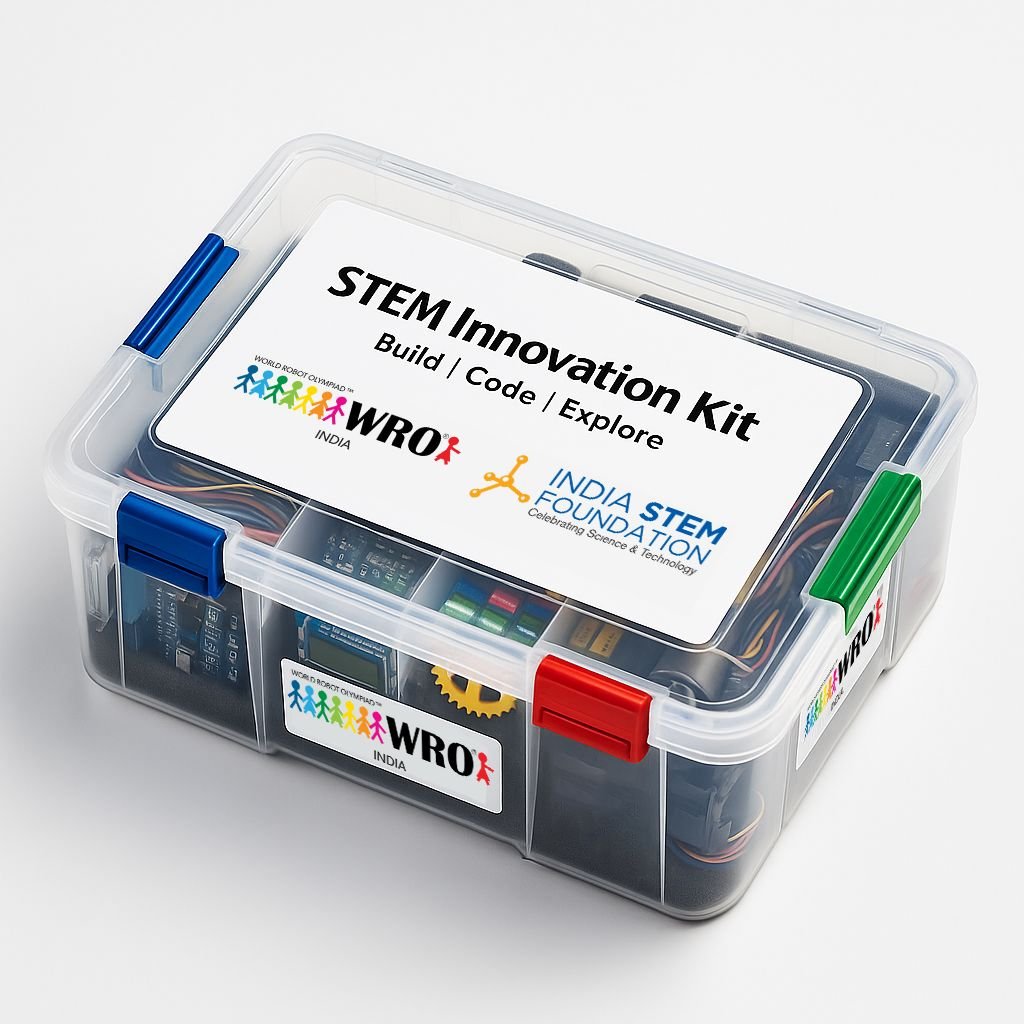
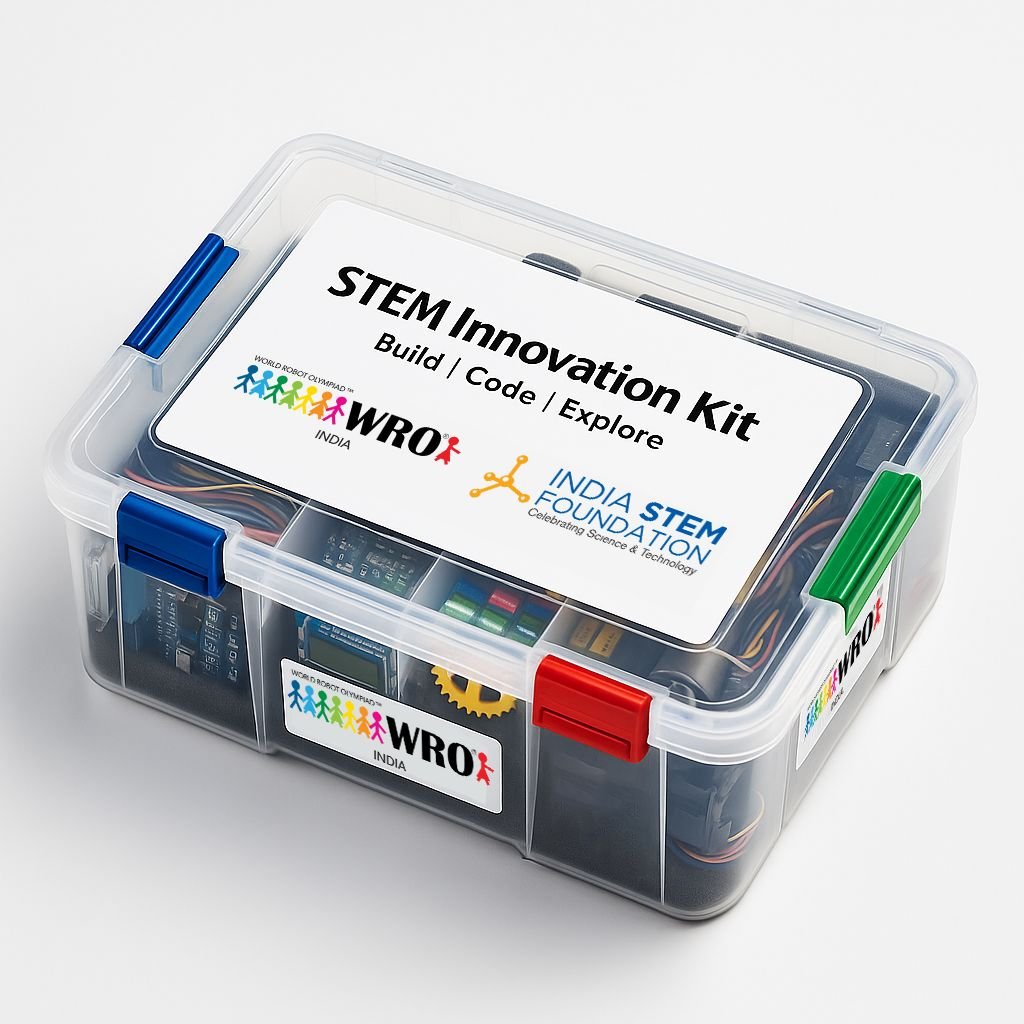
India STEM Foundation has been actively promoting hands-on STEM education through programs that encourage innovation and practical learning. By creating access to STEM labs, robotics activities, and experiential learning opportunities, the foundation is helping students engage with technology in meaningful ways.
Initiatives such as Robo Siksha Kendra focus on making STEM education interactive and accessible for students from diverse backgrounds. These programs encourage learners to experiment, build solutions, and develop confidence through real-world application.
Such efforts are helping bridge the gap between classroom education and industry-relevant skills.
WRO India and Innovation Through Robotics
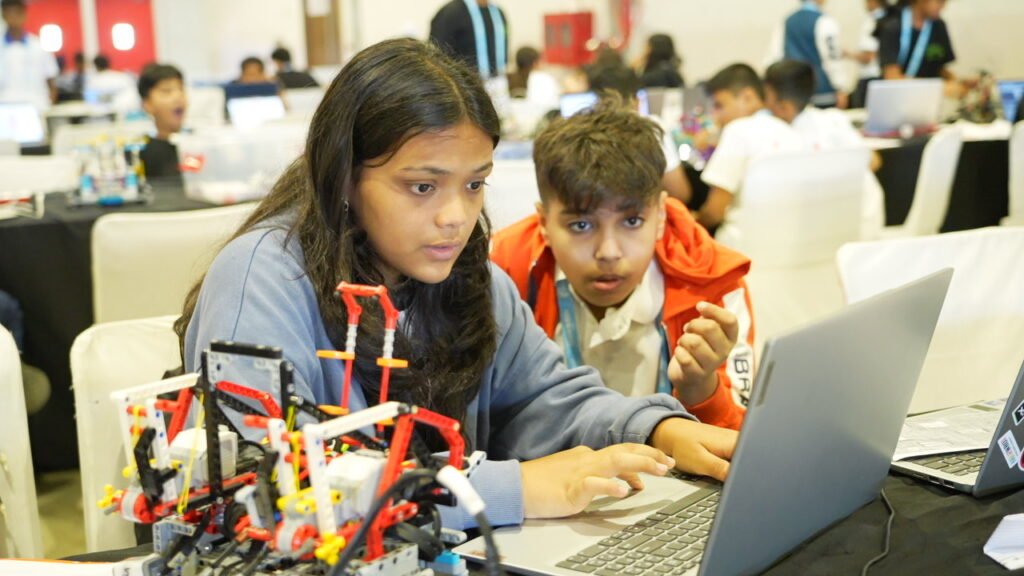
India STEM Foundation, under its flagship program WRO India, provides students with opportunities to participate in robotics and innovation-driven competitions. These competitions encourage students to think critically, collaborate in teams, and solve challenges using technology and creativity.
Through WRO India, students experience project-based learning in a highly engaging environment where they apply STEM concepts to practical challenges. This not only enhances technical understanding but also develops communication, teamwork, and analytical thinking skills.
Programs like these demonstrate how experiential learning can inspire young learners to become future innovators.
Building Future-Ready Learners
Project-based STEM education helps students develop skills that are essential in the modern world. Beyond academics, learners gain exposure to creativity, adaptability, leadership, and innovation.
As education systems continue to evolve, experiential learning approaches will play an increasingly important role in preparing students for future opportunities and challenges.
By creating environments where students can actively explore and innovate, project-based learning is shaping a generation that is confident, skilled, and future-ready.
Conclusion
Project-based learning is redefining STEM education by making learning more interactive, practical, and innovation-focused. It encourages students to apply their knowledge, explore ideas, and develop solutions to real-world challenges.
With initiatives led by organizations like India STEM Foundation and platforms such as WRO India, students are gaining opportunities to experience meaningful STEM learning that prepares them for a rapidly evolving future.
As the demand for innovation and technology skills continues to grow, project-based learning will remain a key driver in building the next generation of problem-solvers and innovators.