In today’s fast-changing, technology-driven world, education is no longer limited to textbooks and theoretical learning. Early STEAM education – integrating Science, Technology, Engineering, Arts, and Mathematics – is becoming essential in preparing students for the future. By introducing these concepts at an early stage, learners develop skills that go beyond academics and help them adapt, innovate, and solve real-world problems.
What is STEAM Education and Why It Matters
STEAM education is an interdisciplinary approach that combines technical subjects with creativity. It encourages students to think critically, explore ideas, and apply concepts in practical ways.
The inclusion of arts in STEM enhances creativity and innovation. It allows students to approach problems from different perspectives and develop solutions that are both functional and imaginative. This approach ensures that students are not just learning concepts but also applying them effectively.
Why Early STEAM Education is Important
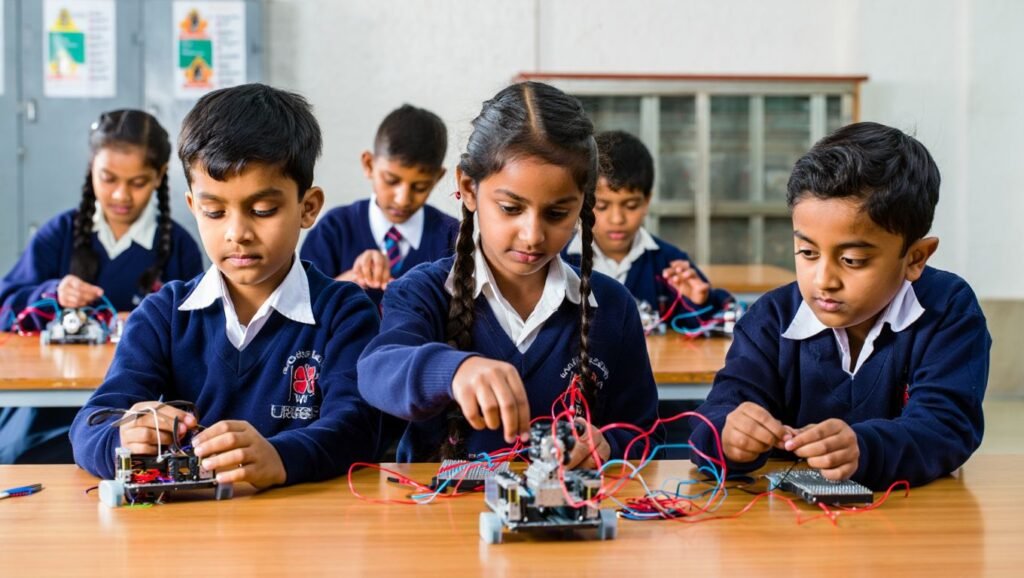
Introducing STEAM education early helps shape how students think and learn. It builds curiosity and encourages exploration from a young age.
Students exposed to STEAM learning early:
- Develop strong problem-solving abilities
- Build confidence through hands-on activities
- Improve creativity and logical thinking
- Learn collaboration and communication skills
Early exposure also increases interest in science and technology fields, helping students make informed academic and career choices in the future.
Current Trends in STEAM Education
There is a growing focus on STEAM education across schools, organizations, and government initiatives. With the rise of technologies like artificial intelligence, robotics, and automation, the need for STEM-related skills is increasing rapidly.
Across India and globally, schools are adopting:
- STEM labs and tinkering spaces
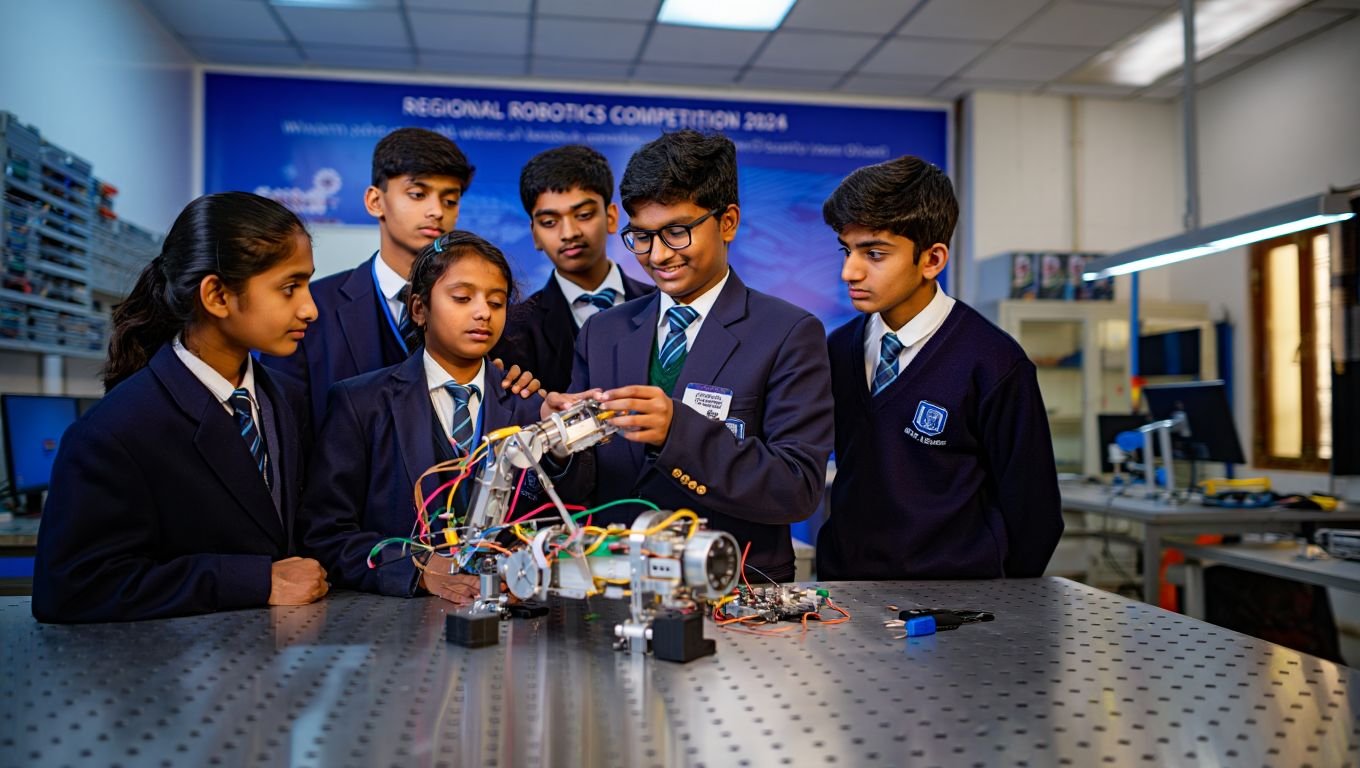
- Robotics and coding programs
- Innovation-driven competitions
- Digital and experiential learning platforms
These initiatives are helping bridge the gap between classroom learning and real-world application.
Building Future Skills Through STEAM
STEAM education plays a key role in developing skills required for the future workforce. It helps students become adaptable and prepared for changing industry demands.
Key skills developed through STEAM include:
- Critical thinking and analytical ability
- Creativity and innovation
- Teamwork and collaboration
- Effective communication
These skills are essential for success in both academic and professional environments.
Creating Inclusive Opportunities Through STEAM
STEAM education also supports inclusivity by providing equal learning opportunities to students from diverse backgrounds. It encourages participation from all learners, including girls and underrepresented groups.
By making STEM learning accessible and engaging, education systems can ensure that more students are able to explore their potential and contribute to innovation.
Conclusion
Early STEAM education is a strong foundation for building future-ready learners. It combines creativity with technical knowledge and prepares students to face real-world challenges with confidence.
As education continues to evolve, integrating STEAM at an early stage will play a crucial role in shaping a generation that is skilled, innovative, and ready for the future.