Corporate Social Responsibility is no longer viewed as a regulatory obligation alone. Increasingly, companies are expected to demonstrate measurable, long-term social impact aligned with national priorities. Yet many organisations still face a familiar challenge toward the end of the financial year identifying credible, scalable avenues to deploy CSR funds effectively.
One sector that consistently delivers both compliance alignment and measurable impact is STEM education.
Under Schedule VII of the Companies Act, education, skill development, and livelihood enhancement are recognised CSR activities. STEM education encompassing science, technology, engineering, and mathematics directly contributes to these objectives.
Beyond compliance, STEM education supports national development goals such as innovation, digital literacy, and workforce readiness. As India positions itself as a global technology and manufacturing hub, strengthening early STEM exposure becomes not just a social initiative, but an economic imperative.
For companies operating in manufacturing, automotive, pharmaceuticals, technology, infrastructure, or energy, supporting STEM education also aligns closely with industry relevance. It creates a long-term talent pipeline while strengthening brand purpose.

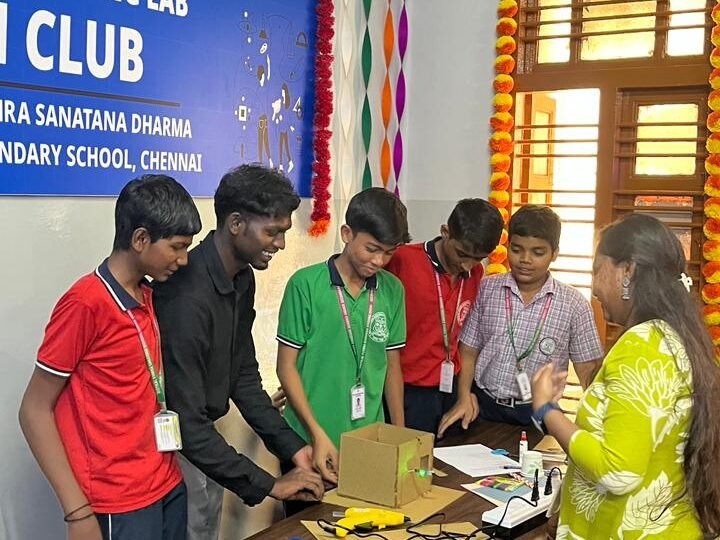
Traditional CSR models often focus on short-term activities infrastructure donations, awareness drives, or one-time events. While valuable, these approaches may not always deliver sustained outcomes.
STEM programs, on the other hand, are inherently structured for continuity and measurable learning outcomes. Well-designed interventions can include:
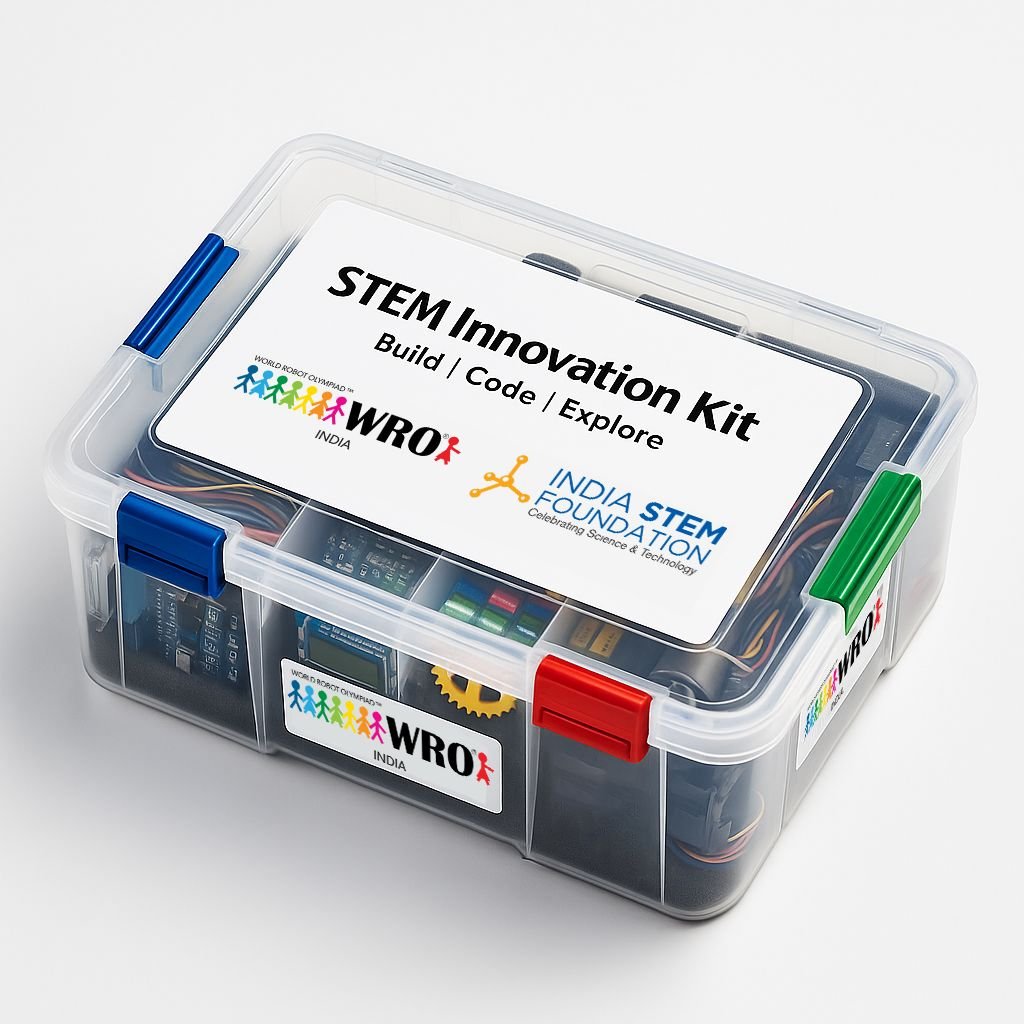
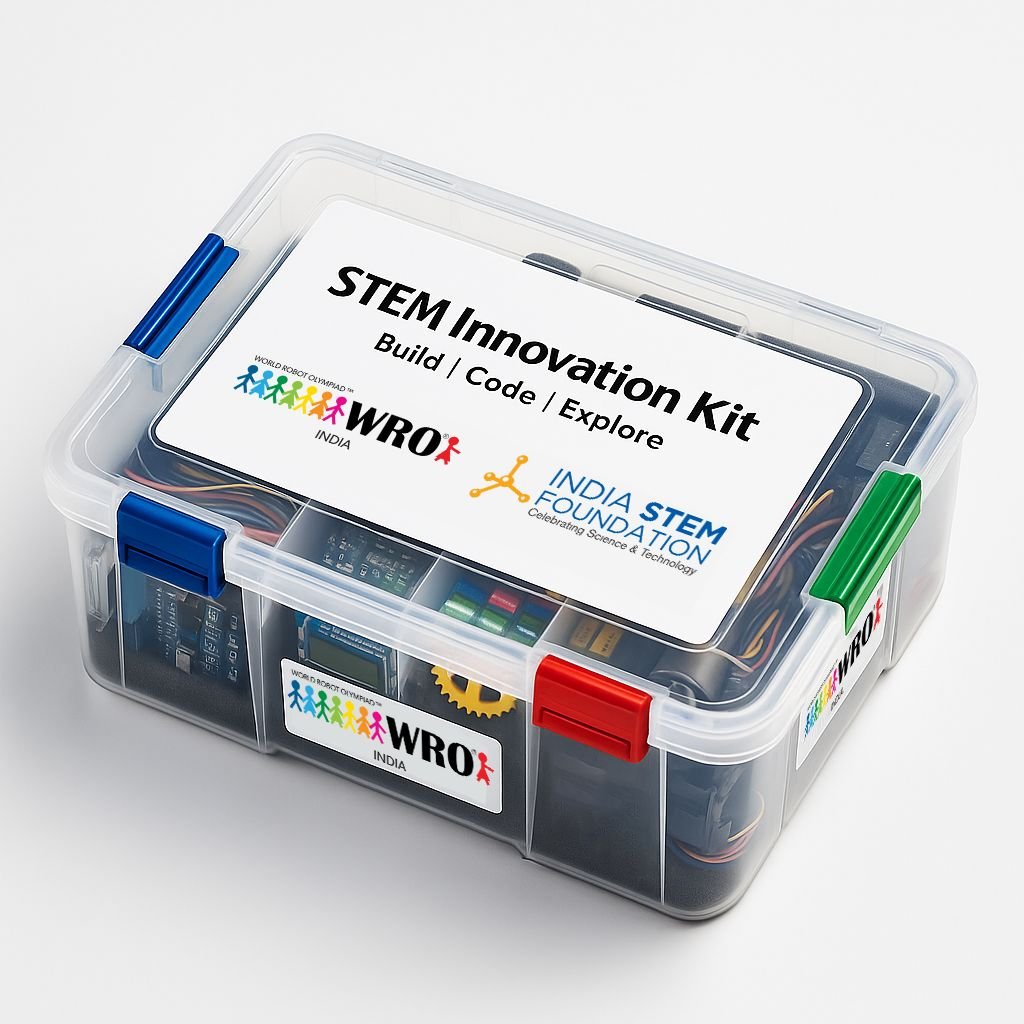
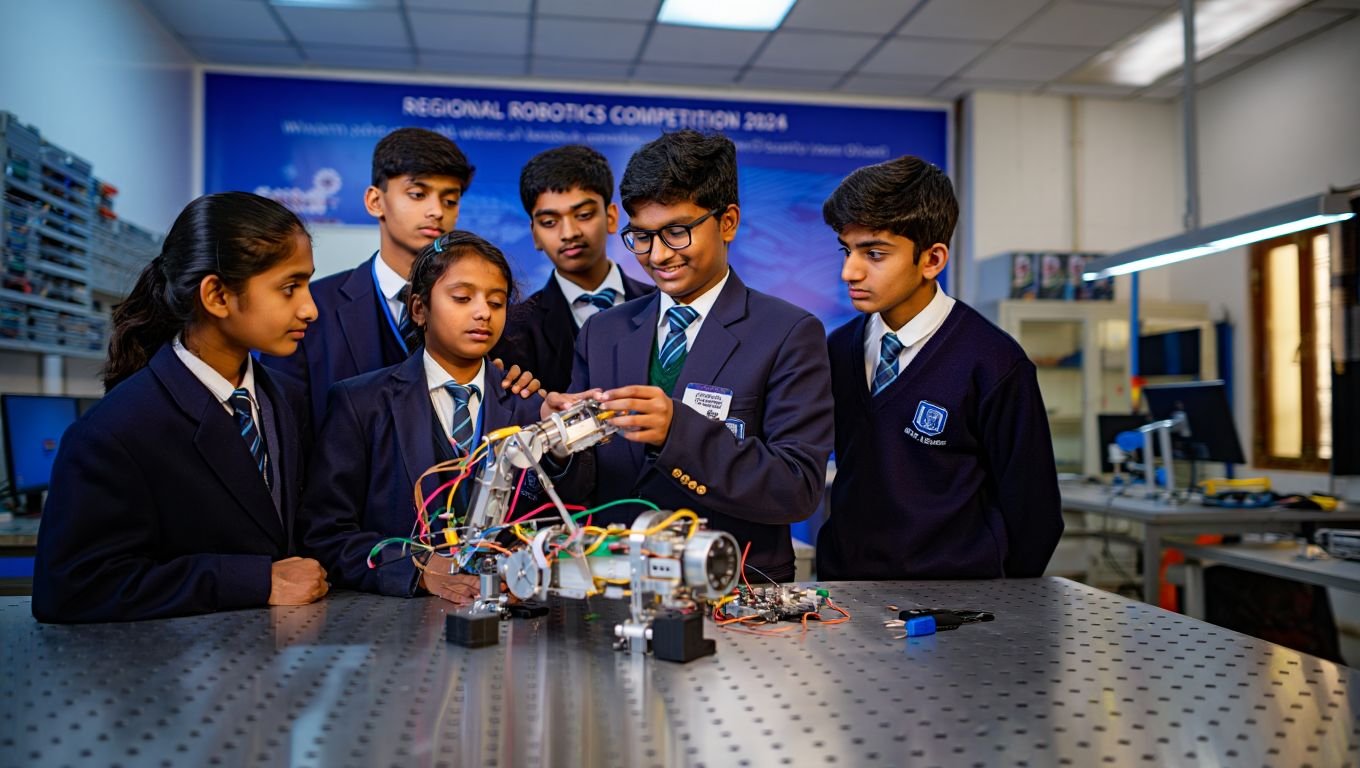
- Establishing robotics and tinkering labs in schools
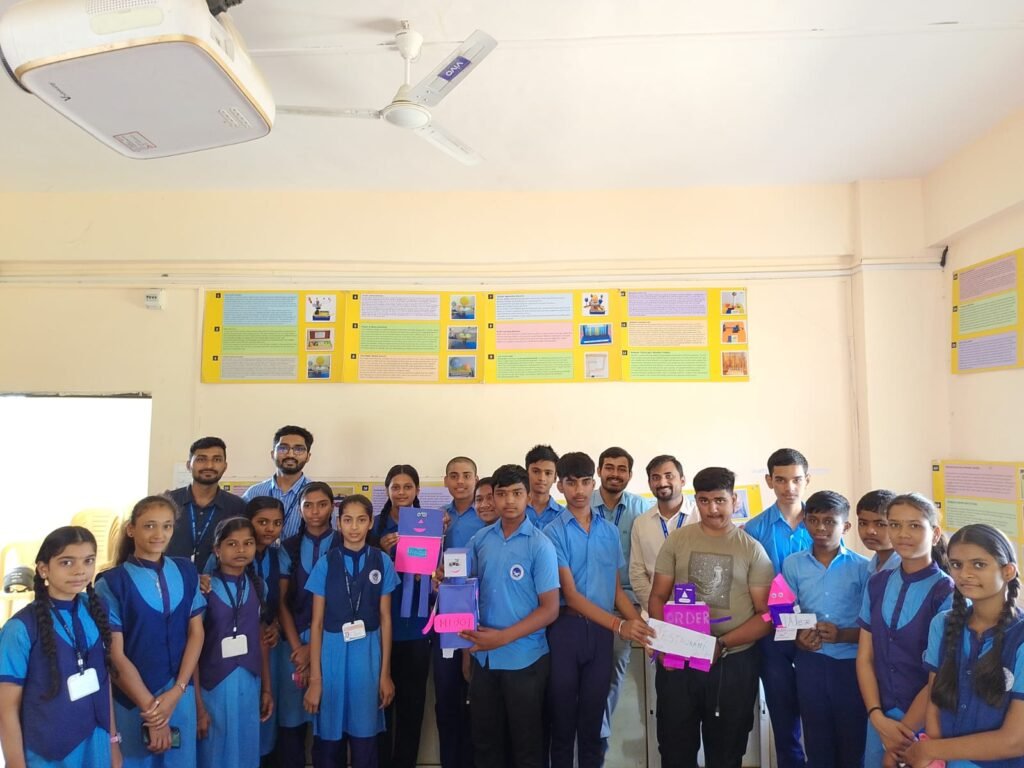
- Conducting structured STEM curriculum modules
- Facilitating innovation challenges and competitions
- Training teachers in hands-on pedagogy
- Providing mentorship and industry exposure
Such initiatives create repeat engagement, trackable progress, and documented impact key requirements for CSR reporting and board-level review.
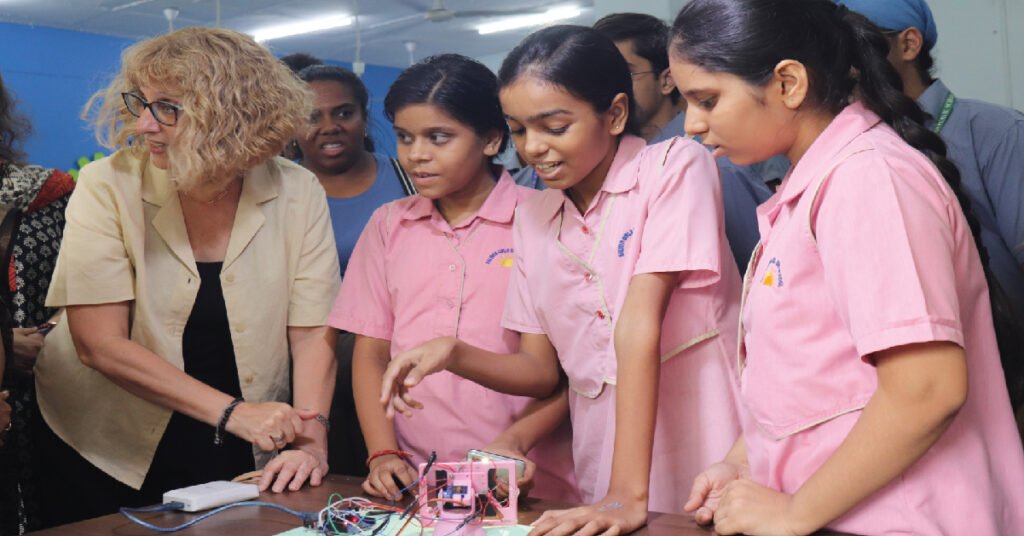
Another compelling dimension is gender inclusion. Women remain underrepresented in many STEM careers, particularly in engineering and advanced research fields. CSR-led STEM programs can actively encourage greater participation of girls through targeted outreach, inclusive classroom models, and mentorship opportunities.
By integrating gender equity within STEM initiatives, companies can simultaneously address two critical priorities: education and women empowerment.


Measurable Impact and Reporting Transparency
CSR today demands accountability. Companies must demonstrate utilisation, outcomes, and impact through structured reporting frameworks.
STEM interventions lend themselves well to measurement. Metrics may include:
- Number of students engaged
- Percentage of girls participating
- Improvement in problem-solving and computational skills
- Innovation outputs such as prototypes or project submissions
- Teacher training hours completed
This data-driven approach supports transparent reporting, strengthens ESG positioning, and enhances stakeholder confidence.
Scalable and Replicable Models
One of the most significant advantages of STEM education as a CSR avenue is scalability. A pilot program in one district can be expanded across multiple geographies. Standardised lab setups, curriculum modules, and competition frameworks allow replication with consistency.
For organisations seeking multi-year CSR strategies, STEM provides a structured roadmap rather than fragmented annual spending.
At India STEM Foundation, we work with corporate partners to design and implement structured STEM programs that align with CSR mandates while delivering measurable impact. Our initiatives focus on accessibility, inclusion, and long-term engagement — ensuring that CSR investments translate into sustained educational transformation.
As companies review their CSR deployment strategies, STEM education presents a unique opportunity: it fulfils regulatory requirements, aligns with industry relevance, and builds the innovators of tomorrow.
CSR is not merely about spending before a deadline. It is about investing where impact compounds.
And few investments compound as powerfully as education in science and technology.